Nandina Gulf Stream: Care and Uses of this Compact Shrub

Introduction
The ‘Gulf Stream’ cultivar of Heavenly Bamboo (Nandina domestica) offers a powerful combination of robust hardiness, compact structure, and vibrant, year-round foliage. As a dwarf shrub belonging to the barberry family (Berberidaceae), it is sought after by gardeners who require a low-maintenance, visually striking plant capable of transitioning beautifully through every season. This variety excels where a traditional shrub might become too large or too demanding, providing structure and color with minimal fuss. Understanding its specific requirements and limitations is key to integrating this dynamic shrub successfully into your landscape.
Key Attributes of the ‘Gulf Stream’ Cultivar
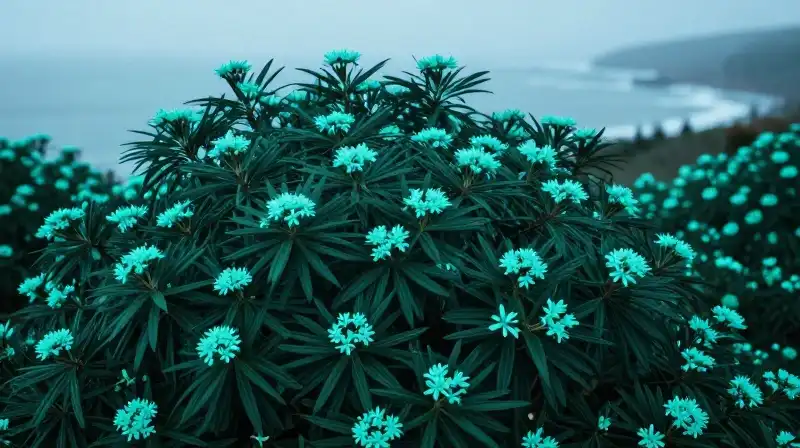
What distinguishes the ‘Gulf Stream’ variety is its desirable profile as a compact, highly decorative evergreen. Unlike wild types of Nandina, this cultivar is bred for specific garden utility, making it ideal for constrained spaces or areas requiring continuous seasonal interest.
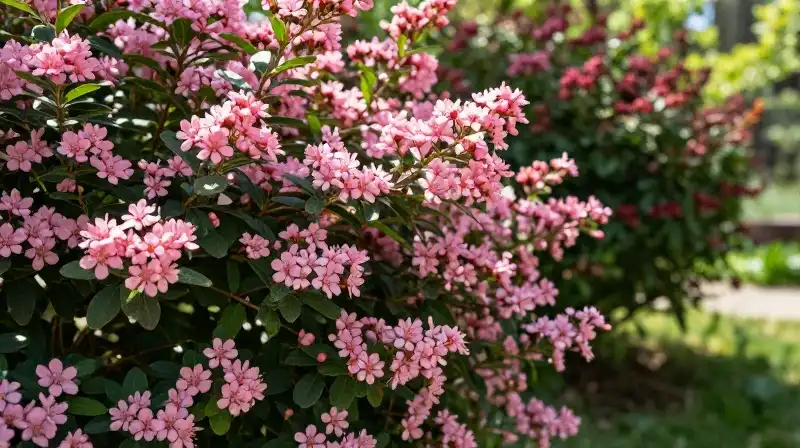
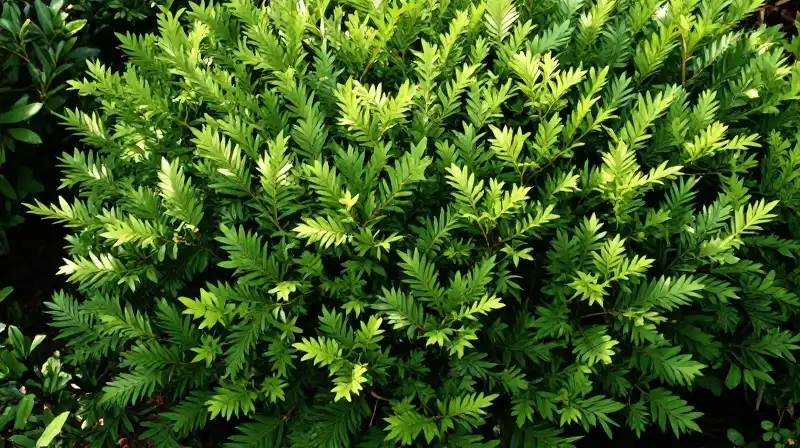
- Form and Size: It possesses a dense, bushy, and compact dwarf habit, typically maturing to approximately three to four feet in height and three to five feet in width. This restricted growth makes it exceptionally suitable for low hedges and container gardening.
- Foliage Color: The shrub is prized for its color performance. Its leaves transition dramatically, often starting with crimson or orange hues in spring, deepening to a vibrant scarlet red in autumn and winter, providing reliable visual impact even during colder months.
- Hardiness and Resilience: ‘Gulf Stream’ is noted for its natural resistance to pests and damage from deer, contributing significantly to its low-maintenance reputation. It is also classified as a non-invasive option, which reduces ecological risk compared to uncultivated varieties.
Optimal Growing Conditions and Environmental Limits
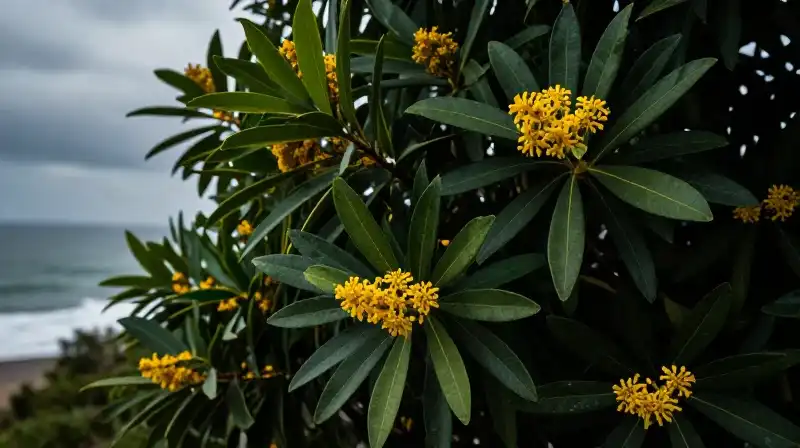
While ‘Gulf Stream’ is extremely adaptable, its success relies on matching its needs with your microclimate. It is highly tolerant of warm, dry conditions but requires careful management of temperature and soil chemistry.
Sun and Soil Requirements
The shrub performs best when receiving full sun to partial shade. Optimal health requires well-draining soil, which is crucial for preventing root rot in wet areas. While it is highly drought tolerant once established, adequate initial watering is essential to develop a strong root system before relying on its inherent resilience.
Temperature and Climate Considerations
The ‘Gulf Stream’ is well-suited for Southern and temperate climates, thriving in USDA hardiness zones 6 through 11. However, gardeners in colder regions must be acutely aware of the plant’s susceptibility to cold damage. While it is quite hardy, severe or prolonged freezing temperatures can damage the foliage, so protection is advised in extreme weather.
Maintenance: Pruning and Health Management
The low-maintenance appeal of this compact shrub is largely due to its minimal care needs, but a few key practices ensure optimal appearance and health.
Pruning Strategy
As a compact dwarf, ‘Gulf Stream’ does not demand frequent shaping. Pruning is generally only necessary if you wish to maintain a specific, controlled size or shape. The ideal time for any required pruning is during the late winter or early spring, when the plant is in its dormant period.
Preventing Common Foliage Issues
A primary potential foliage issue is chlorosis (yellowing leaves). This condition often signals an improper soil environment. ‘Gulf Stream’ can struggle in highly alkaline soils; ensuring your planting medium is slightly acidic or neutral is the best preventative measure against this issue.
Additionally, under certain growing conditions, the shrub may develop suckers. Monitoring for these and, if necessary, addressing them early will help maintain the desired tidy, dense habit of the dwarf form.
Landscape Applications and Design Uses

Due to its manageable size and dramatic seasonal color changes, ‘Gulf Stream’ is incredibly versatile in landscape design. It moves beyond being merely a background shrub to a focal point capable of adding architectural interest.
Ideal Placement Scenarios
This shrub is best utilized in areas where structure and reliable color are prioritized:
- Low Hedges: Its dense, compact form makes it perfect for defining boundaries or creating low, informal barriers without the massive growth typical of standard hedges.
- Borders and Foundation Plantings: It provides a vibrant splash of color near walkways or along the foundation of structures, particularly when paired with plants that provide contrasting textures in other seasons.
- Container Gardening: Its manageable size allows it to thrive in pots, offering a portable pop of color for patios or balconies.
Critical Safety and Practical Warnings

While ‘Gulf Stream’ is generally easy to manage, its attractiveness and nature require specific awareness regarding toxicity and cold sensitivity.
Toxicity Alert: It is essential to note that both the leaves and the berries of Nandina domestica are toxic to livestock and other animals, including pets. Always keep this fact in mind when planting near areas where animals forage.
Plant Establishment Phase: Although highly drought tolerant once mature, the establishment phase is critical. Do not neglect initial deep watering, especially during the first two growing seasons, to ensure the root system is robust enough to handle subsequent dry spells.
Making the Decision: Is ‘Gulf Stream’ Right for Me?
Choosing a shrub depends on aligning its specific strengths and limitations with your garden goals. ‘Gulf Stream’ is an ideal choice when you need reliable, low-maintenance color and a controlled footprint. However, it is not the best fit if you require a towering specimen or if your climate experiences prolonged, brutal freezes, in which case foliage damage is a high risk.
Before planting, verify that your soil is well-draining and avoid excessively alkaline pH. If you can accommodate its compact nature and its need for careful initial watering, this vibrant Heavenly Bamboo offers exceptional year-round utility.
How to Grow and Maintain 'Gulf Stream' Heavenly Bamboo
Select Optimal Conditions
Ensure the shrub is placed in an area receiving full sun to partial shade, and check that the location falls within USDA hardiness zones 6 through 11, while protecting it from prolonged, severe freezes.
Prepare the Planting Medium
Use well-draining soil and verify that it is slightly acidic or neutral, as highly alkaline soil can cause chlorosis (yellowing leaves).
Establish Root System
Provide adequate initial deep watering, especially during the first two growing seasons, to ensure the root system is strong enough to handle future drought.
Perform Pruning (If Necessary)
If maintaining a specific shape or controlled size, prune the shrub during the late winter or early spring when the plant is in its dormant period.
Monitor for Health Issues
Monitor the shrub for developing suckers and address them early to maintain a desired tidy, dense dwarf habit. Also, keep an eye on leaves for signs of chlorosis.
Related Articles