Caring for Verbena Stricta: Sun, Soil, and Growing Tips

Introduction
Verbena stricta, commonly known as Hoary Vervain, is a hardy and aesthetically pleasing perennial wildflower native to the prairies and fields of areas like Missouri. As a highly resilient native species, it is frequently chosen for its ability to thrive in diverse conditions and its attractive blue-purple flower spikes. Successful cultivation of this plant relies on understanding its adaptation to dry, prairie environments. This guide provides specific, practical advice on managing sun exposure, soil composition, and overall care, ensuring your Hoary Vervain flourishes while maintaining its characteristic vigorous growth and drought tolerance.
Light and Sun Preferences
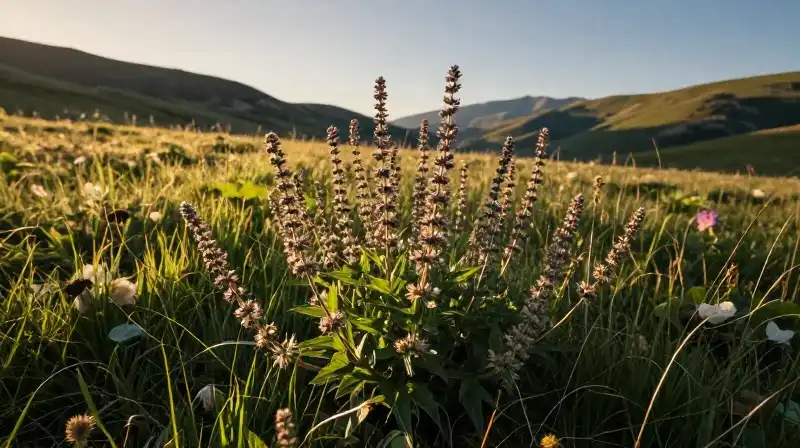
Verbena stricta is a full-sun plant that requires ample light to achieve its best flowering and growth potential. It is designed to thrive in open habitats like prairies and road edges where it receives intense sunlight. Placing it in a partially shaded location will significantly limit its flowering display and overall vigor. To promote the robust, clump-forming habit typical of this species, provide it with a minimum of six to eight hours of direct sunlight daily throughout the growing season.
Ideal Soil and Moisture Management
The most critical factor in caring for *verbena stricta* is managing soil drainage and moisture. This species is a drought-tolerant plant perfectly suited to poor, well-drained soils. It prefers average to dry, sandy conditions, mimicking its native habitat. Heavy, moisture-retentive clay soils should be avoided, as they can lead to root rot, even in a plant that handles drought well in the field.
When establishing a planting site, consider amending heavy soil with grit or sand to improve drainage. While Verbena stricta is remarkably tolerant of dry conditions, consistent, deep watering is required during the initial establishment phase to encourage root development. Once mature, its ability to handle dry or sandy soils allows it to be significantly reduced in supplemental watering.
Growth Cycle and Planting Considerations
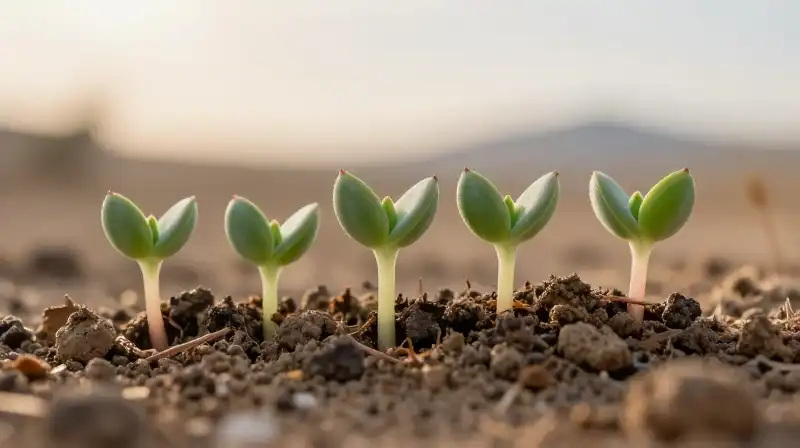
As a perennial, *verbena stricta* establishes itself and grows into a dense clump, typically reaching a height of 2 to 4 feet. Understanding its timeline is helpful for gardening expectations:
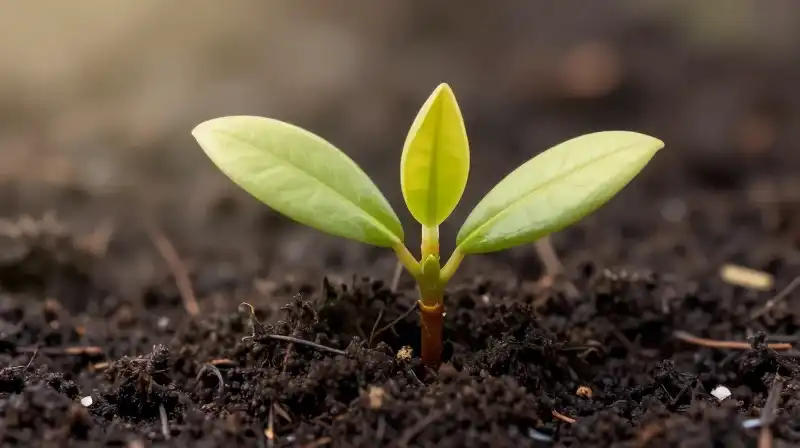
- Establishment: Seedlings usually begin to bloom in the second year after they are sown, demonstrating its need for time to establish its root system.
- Flowering Season: The plant typically blooms during the summer months, from May through September, producing vibrant blue-purple flowers that are roughly half an inch long.
- Propagation: The species is easily grown and propagated from seed. For those utilizing wild seeds, remember that many native species possess built-in dormancy mechanisms that may require specific conditioning or dormant seeding (sowing in late fall or winter) for successful germination.
Maintenance and Preventing Self-Seeding
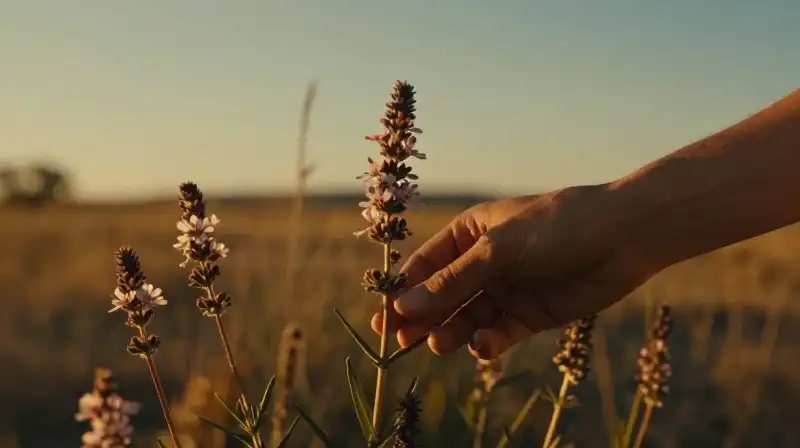
Regular maintenance is straightforward, focusing primarily on encouraging healthy flowering and controlling seed production. The most practical maintenance step is the removal of spent flowering spikes before they reach full maturity. Verbena stricta can be a vigorous self-seeder. By pruning these spikes after the summer bloom period, you prevent the plant from dropping large quantities of seeds into your garden, which can help maintain a tidier, more manageable clump and prevent unwanted spread.
General care involves ensuring the plant is free from competing weeds that might out-compete it for limited water and nutrients. Since it is well-adapted to dry conditions, fertilizing is usually unnecessary unless the soil is extremely poor.
Addressing Common Growth Concerns
Gardeners often have specific questions regarding the behavior of this species. Here are practical answers to common concerns:
Is Verbena Stricta Aggressive?
Generally, verbena stricta is not considered overly invasive or aggressively spreading in a typical suburban garden setting, particularly when compared to some groundcover species. While it is a vigorous, clump-forming perennial that will grow robustly, its growth pattern is contained within a defined clump. However, gardeners should be aware that it can quickly fill a defined space, so choose a location where its mature size (up to 4 feet) is anticipated.
Does Verbena Stricta Like Sun or Shade?
As established, the definitive answer is sun. *Verbena stricta* requires full sun to thrive. It is an indicator plant of open, sunny habitats. Attempts to grow it in shade will result in weak growth, reduced foliage density, and very limited flowering.
Verbena Stricta vs. Verbena Hastata
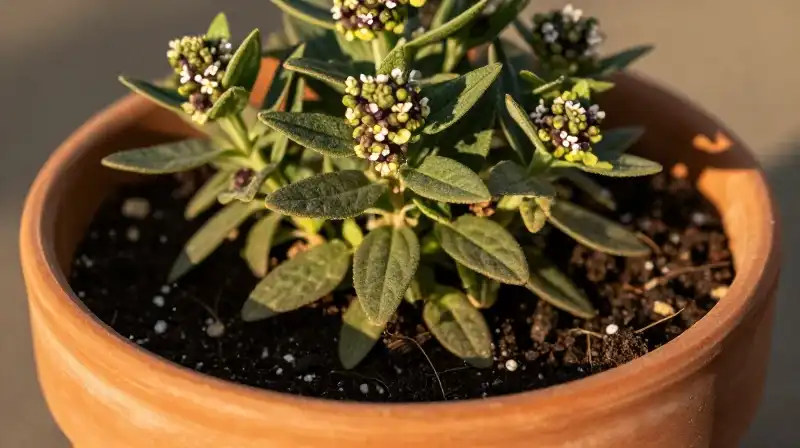
While both are members of the genus Verbena, they differ in several key ways. *V. stricta* (Hoary Vervain) is distinct for its gray-green, “hoary” foliage covered in whitish hairs, and its preference for highly dry, prairie-like conditions. Verbena hastata, on the other hand, often prefers slightly wetter areas and has a different leaf and flower structure. Choosing the correct species depends entirely on whether your garden mimics a dry, sandy prairie or a more moist meadow environment.
Successful Cultivation Synthesis
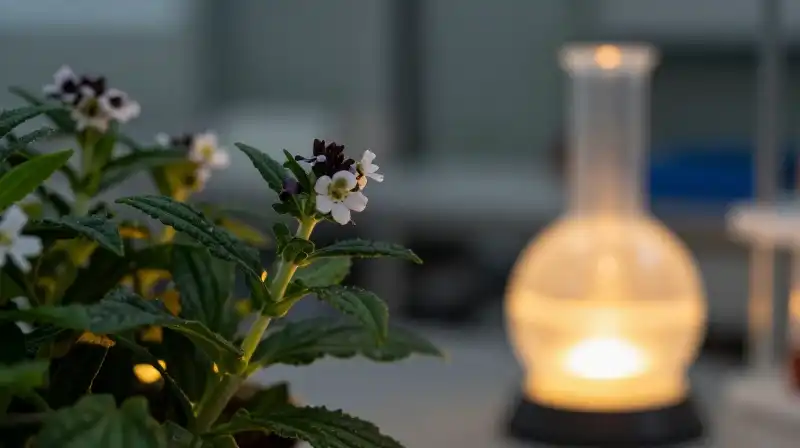
The key to a successful *verbena stricta* garden is providing the specific, unforgiving conditions it demands. Do not mistake its drought tolerance for tolerance for poor quality. It needs well-drained, ideally sandy or dry soil, and uncompromising full sun. By ensuring maximum light, managing the water inputs during its first year, and proactively removing spent flowering spikes, you allow this vigorous native perennial to reach its full potential. Treat it less like a typical bedding plant and more like a resilient prairie staple, and it will reward your efforts with robust health and reliable summer blooms.
Frequently Asked Questions
Is verbena stricta aggressive?
Generally, verbena stricta is not considered overly invasive or aggressively spreading in a typical suburban garden setting. Although it is a vigorous, clump-forming perennial that can quickly fill a defined space, its growth pattern is contained within a defined clump.
Does verbena stricta like sun or shade?
Verbena stricta is a full-sun plant that requires ample light to achieve its best flowering and growth potential. Attempts to grow it in shade will significantly limit its display and overall vigor.
How do you care for verbena stricta?
Care for verbena stricta by providing uncompromising full sun and ideal soil that is poor, well-drained, sandy, or dry. Successful maintenance also requires deep watering during its initial establishment and the proactive removal of spent flowering spikes.
How to Cultivate Verbena stricta
Establish the planting site
Select a location that receives a minimum of six to eight hours of direct sunlight daily. Ensure the soil is poor, well-drained, and average to dry, preferably sandy. If using heavy soil, amend it with grit or sand to improve drainage.
Initial watering and establishment
During the initial establishment phase, provide consistent, deep watering to encourage robust root development. Once the plant is mature, its drought-tolerant nature allows for significantly reduced supplemental watering.
Regular ongoing maintenance
Keep the plant free from competing weeds, as they may out-compete it for limited water and nutrients. Note that fertilizing is generally unnecessary unless the soil quality is extremely poor.
Pruning to control self-seeding
To maintain a tidy clump and prevent the plant from dropping large quantities of seeds, regularly remove spent flowering spikes before they reach full maturity.
Related Articles