
Humidifiers and Mold: How to Prevent Growth and Control Humidity

Introduction
Humidifiers are not a direct source of mold, but they can certainly create or facilitate conditions that promote mold growth if they are not maintained properly or if the overall indoor humidity levels become excessive. The relationship between humidifiers and mold is one of environment and maintenance: the humidifier provides the moisture, but incorrect usage—such as stagnant water, high relative humidity, or improper cleaning—provides the ideal breeding ground for spores. Preventing mold growth involves strictly adhering to EPA recommendations for indoor humidity and implementing rigorous maintenance schedules for the device itself.
Understanding the Conditions for Mold Growth
 Mold requires a specific set of conditions to thrive, a concept often simplified into a moisture-food-temperature triangle. While high temperatures accelerate the process, moisture (high relative humidity), an organic food source, and suitable temperatures are the primary drivers. Humidifiers, by nature, increase the moisture content in the air, which is the most critical ingredient. When indoor relative humidity exceeds 60%, the environment becomes highly conducive to mold spores to flourish. Furthermore, mold doesn’t just grow in the air; it grows where moisture sits and organic matter can decompose. This is why stagnant water in humidifier reservoirs or the presence of dust and organic buildup within the unit’s internal components can become a literal food source for mold.
Setting the Right Humidity Standards
To minimize the risk of mold and mitigate the potential negative effects of excessive moisture, the Environmental Protection Agency (EPA) recommends keeping indoor relative humidity between 30% and 50%. Humidity levels significantly above this range contribute to three main issues:
- Facilitating Mold and Mildew: High RH encourages mold growth on walls, furniture, and within the home structure.
- Dust Mite Proliferation: Excess moisture creates a more favorable environment for dust mites, which contribute to respiratory sensitivities.
- Structural Damage: Prolonged high humidity can lead to damage, particularly to wooden structures and belongings.
When using a humidifier to manage air quality, it is essential to monitor the overall environment. If you are worried about mold in your home, a dehumidifier is often used in conjunction with a humidifier to bring the total indoor relative humidity back into the safe 30-50% range.
Preventing Mold Growth in the Humidifier Unit
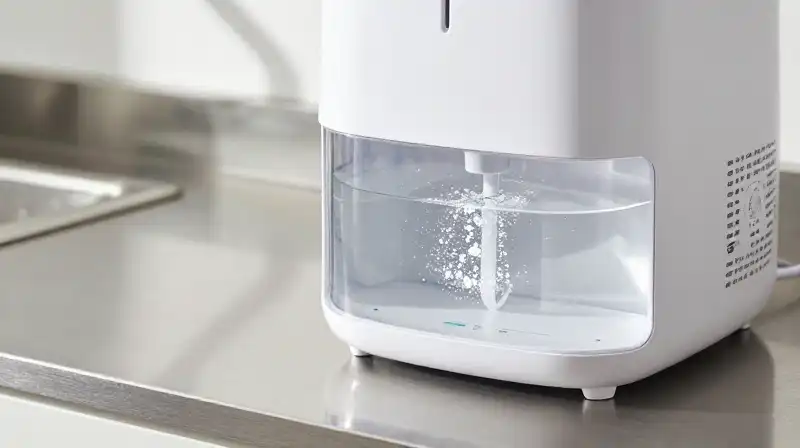 The most critical factor in preventing mold formation is consistent and thorough cleaning of the humidifier itself. The goal is to eliminate any organic matter and stagnant water where mold spores can begin to germinate.
General Cleaning and Water Usage Protocol
A core preventive measure is to treat the humidifier as a device that requires daily attention. Using distilled or demineralized water is highly advised, especially in areas with hard water, as mineral deposits can create a porous surface that holds moisture and becomes a perfect spot for mold to take hold. Practical steps for general use include:
- Daily Emptying: Empty the water reservoir and allow it to dry after every use to prevent stagnant water accumulation.
- Regular Disinfection: Follow manufacturer guidelines for regular disinfection and scrubbing of the internal tank and the water path.
- Placement: Always position the humidifier on a water-resistant surface and keep it at least three feet away from walls and furniture to allow proper airflow.
Maintenance for Portable vs. Whole-House Systems
Maintenance frequency varies significantly depending on the type of unit you are using.
| Unit Type | Cleaning Frequency | Filter Maintenance | Key Action |
|---|---|---|---|
| Portable | Frequent (Daily) | Regular replacement | Consistent monitoring for visible discoloration or musty odors. |
| Whole-House | Annual | Annual service by a technician | Managing moisture levels via a smart thermostat; seasonal shutdowns (e.g., summer). |
| For whole-house systems, while users can manage the humidity levels through a smart thermostat, annual professional servicing of the humidifier pad or filter is necessary to ensure the system’s efficiency and prevent internal biological growth. |
Recognizing Signs of Mold and System Issues
Early detection of problems is key to both indoor air quality and home health. While most issues start with maintenance failure, certain indicators warrant immediate attention. If you observe any of the following, it may indicate mold or significant bio-growth within the system:
- A persistent, musty odor emanating from the humidifier or the air coming out of it.
- Visible discoloration (black, green, or fuzzy) inside the tank or the water itself.
- Worsening respiratory symptoms that seem correlated with the use of the device.
Regarding potential health risks, while humidity itself does not cause mold, high humidity and poorly maintained humidifiers can certainly exacerbate allergy symptoms and contribute to the proliferation of irritants. If you suspect mold in your home or within a device, discontinue use immediately and seek professional guidance.
Prioritizing Safety and Preventing Errors
 To summarize the key considerations regarding your home environment, remember that the issue of “humidifiers and mold” is almost entirely dictated by human maintenance. A humidifier is only as clean as the user’s habits. Before relying on a unit to manage moisture:
- Set the Threshold: Ensure your system is engineered to maintain the target 30-50% relative humidity range.
- Adopt a Protocol: Establish a strict routine for cleaning the unit and using filtered water.
- Be Proactive: Regular professional checks for whole-house systems are necessary to catch early signs of internal degradation before mold takes hold.
Consistent cleaning and proper humidity control are the definitive safeguards against mold formation.
Prevent Mold Growth in Humidifier Units
Empty the Water Reservoir
Empty the water reservoir and allow it to dry after every use to prevent stagnant water accumulation.
Use Filtered Water
Use distilled or demineralized water, especially in areas with hard water, to prevent mineral deposits which can hold moisture.
Disinfect and Clean Internals
Follow manufacturer guidelines for regular disinfection and scrubbing of the internal tank and the water path.
Position the Humidifier Safely
Position the humidifier on a water-resistant surface and keep it at least three feet away from walls and furniture to allow proper airflow.
Monitor Environment and Use Dehumidifier (If Needed)
Ensure the indoor relative humidity is kept between 30% and 50% by using a dehumidifier in conjunction with the humidifier if levels become too high.
Related Articles