Lace Fern Care and Growth: Size, Light, and Ideal Planting Spots

Introduction
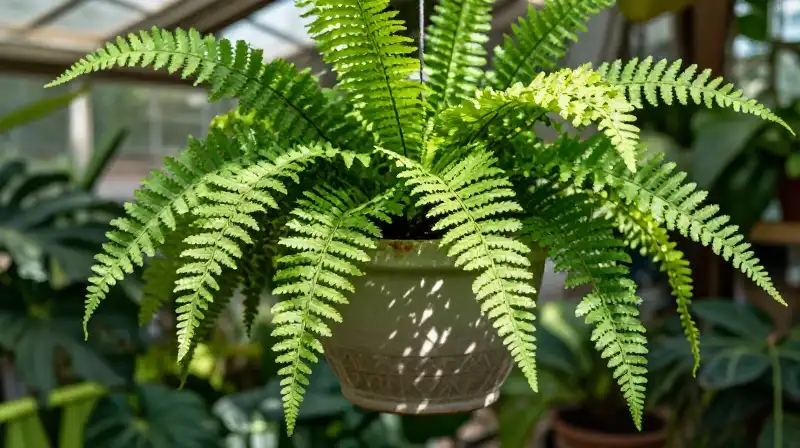
Lace fern, or *Microlepia strigosa*, is prized for its highly ornamental, delicate appearance and its surprising resilience within the fern category. Characterized by its fine, lacy, bright green fronds, it brings a lush, fine texture to shaded landscapes. Unlike many traditional ferns that require strict moisture and shade, Lace Fern exhibits a subtle adaptability, allowing it to thrive in conditions that might challenge its relatives. For gardeners seeking a visually striking evergreen plant that is relatively low maintenance, understanding its specific requirements for light, soil, and size is essential to ensuring a healthy, flourishing display.
Light Requirements: Finding the Perfect Microclimate
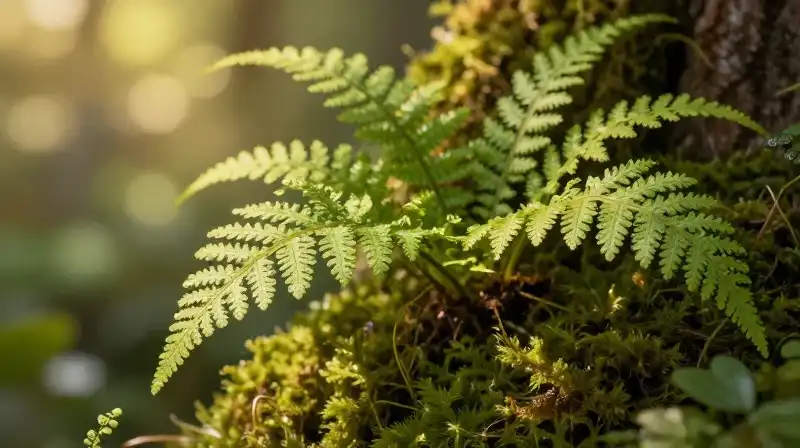 The health of the Lace Fern is heavily dependent on its light environment. While it is primarily known as a shade-loving plant, it does not require deep, heavily overcast gloom. Lace Fern thrives in areas that receive filtered sunlight, which translates to partial shade in most common garden setups. In practice, this means:
- Placing it in the dappled shade of a deciduous tree.
- Utilizing a north-facing slope or area.
- Positioning it where the morning sun filters through, but avoiding harsh, direct afternoon sun, which can scorch the delicate, lacy foliage.
The unique habit of the Lace Fern means that even if the ground receives full sun at certain hours, if the surrounding canopy or taller plantings provide an effective layer of filtration, it will remain healthy.
Growth and Size: How Big Does a Lace Fern Get?
Addressing a common query, Lace Fern is a medium-sized, clumping perennial that achieves a mature height of approximately 3 feet. Its spread is equally significant, often reaching about 3 feet when fully mature and established. It’s important to note that growth rates vary depending on care:
- Under optimal conditions (consistent moisture and rich soil), the plant grows relatively fast.
- In more constrained conditions or for container planting, it may develop a smaller, more compact habit.
As an evergreen, the Lace Fern maintains its structural integrity and lacy appearance year-round, provided it is properly protected from hard frosts, which is why it is classified as semi-hardy to semi-tender depending on your local climate.
Water and Soil Conditions for Microlepia strigosa
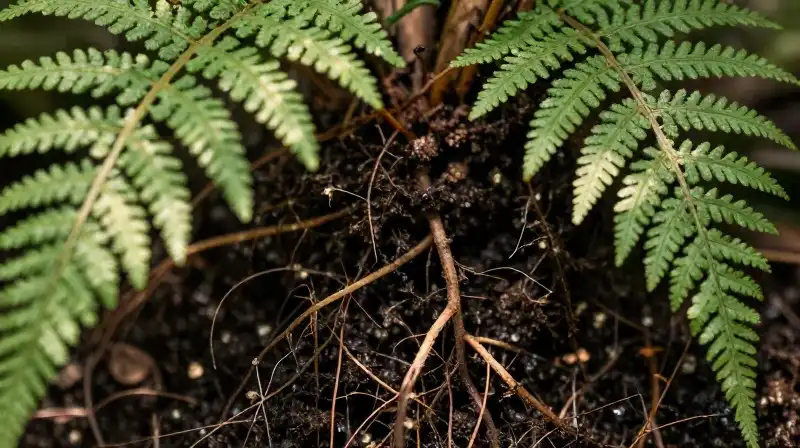 The Lace Fern demonstrates a useful capacity for adaptability regarding soil and moisture, which sets it apart from many other ferns. Water Needs: Lace fern thrives in moist to average conditions. It appreciates consistent moisture, especially during the warmer months. However, unlike many moisture-dependent varieties, it possesses a notable tolerance for drier conditions once established. While regular watering is recommended, the plant can manage periods of slightly reduced moisture without immediate stress. It can also tolerate some standing water, making it suitable for areas with higher moisture retention, though excessive saturation should still be managed to prevent root rot. Soil Composition: The plant is highly adaptable to various soil pH levels. It prefers rich, organic matter-heavy soil that retains moisture but also drains adequately. Because it has a dense, herbaceous structure, it does not strictly demand highly specialized, acidic fern mix, but incorporating compost and organic material will ensure sustained health and vigor.
Optimal Planting Spots: Landscape Applications
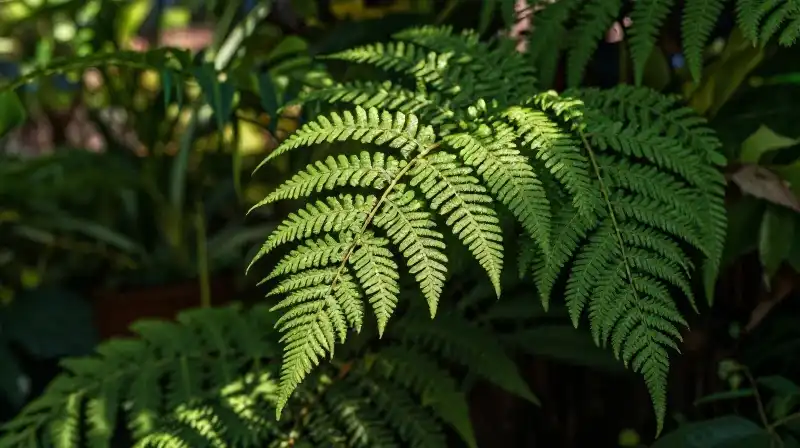 Lace Fern’s combination of lacy texture, density, and adaptability makes it highly versatile in design: Landscape Uses: The plant’s upright yet spreading clumping habit makes it ideal for use along foundation plantings and borders. Its dense foliage naturally suppresses weeds and often removes the need for supplemental groundcover in those specific areas. Container Gardening: In containers, Lace Fern functions exceptionally well as a focal “thriller.” It performs beautifully when planted alone to create a dramatic, lacy center point in a pot, or when paired with other plants to add textural contrast. Urban Adaptability: A notable advantage of the Lace Fern is its tolerance for urban pollution, allowing it to integrate into city landscapes with a higher probability of survival than many more sensitive ornamental species.
Maintenance and Propagation Techniques
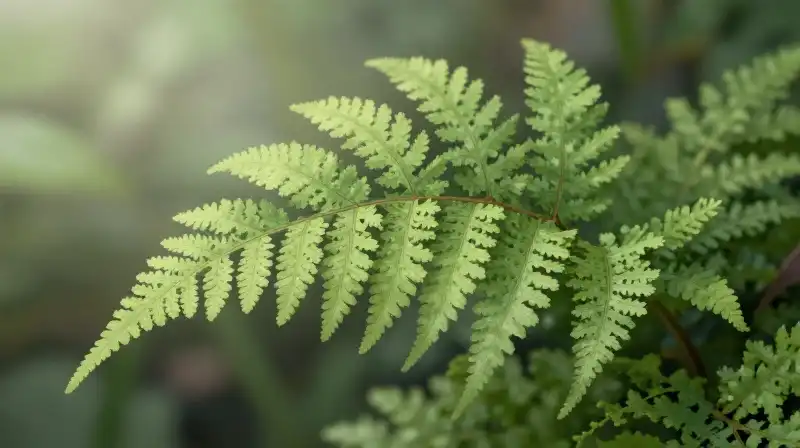 The care required for Lace Fern is categorized as low maintenance, though minimal upkeep ensures peak performance. Maintenance: The primary maintenance task involves general upkeep: the removal of any dead or diseased foliage (dieback). Because the plant is dense, this usually requires only occasional pruning during the active growing season. It is generally quite robust and does not require heavy feeding or staking. Propagation and Longevity: Lace fern exhibits healthy suckering, a natural process where new growth emerges from the rhizome. Propagation is easily achieved through division, allowing gardeners to propagate the plant to increase its presence in a desired area. With consistent care, the Lace Fern can enjoy a lifespan of approximately 20 years.
Practical Considerations Before Planting
Before installing a Lace Fern, consider these practical limitations and environmental factors to maximize success. 1.Establishment Period: While generally easy to grow, it takes time for the Lace Fern to fully establish its root system and reach its mature 3-foot spread. Be prepared to monitor and supplement watering during the first year. 2.Pest and Disease Check: While resilient, like all ornamental plants, it can occasionally be susceptible to various pests or fungal issues. Regular inspections are the most effective way to prevent issues, treating any problem early. 3.Substitutes and Nuances: If your area experiences prolonged, severe drought or if you are seeking a similar lacy texture but require extreme drought tolerance, consult “Silver Lace fern” or similar drought-resistant variants, though *Microlepia strigosa* handles dryness better than standard woodland ferns. Ultimately, the Lace Fern offers a unique combination of delicate beauty and practical hardiness. By positioning it in dappled shade and providing rich, adaptable soil, you cultivate a lush, enduring architectural element for any garden.
Explore more: The Three Horns of Odin: Mythological Origins and Historical
Frequently Asked Questions
How big does a lace fern get?
A lace fern is a medium-sized, clumping perennial that reaches a mature height of approximately 3 feet. When fully mature and established, its spread also often reaches about 3 feet.
How to Successfully Grow and Care for a Lace Fern
Select Optimal Lighting and Placement
Place the Lace Fern in an area that receives filtered sunlight, such as the dappled shade of a deciduous tree or a north-facing slope. Avoid placing it where it receives harsh, direct afternoon sun, which can scorch the foliage.
Prepare the Soil
Utilize a rich, organic matter-heavy soil that retains adequate moisture but also ensures good drainage. Incorporate plenty of compost and organic material to promote sustained health.
Establish the Plant
During the first year, monitor the plant closely and supplement watering as needed to help the root system fully establish before allowing it to settle into its mature 3-foot spread.
Manage Watering Needs
Maintain moist to average soil conditions, ensuring consistent moisture during warmer months. While it tolerates drier conditions once established, avoid excessive saturation to prevent root rot.
Conduct Routine Maintenance
Perform occasional pruning during the active growing season to remove any dead or diseased foliage. The plant requires minimal upkeep and generally does not need heavy feeding or staking.
Prevent Pests and Disease
Because the plant can occasionally be susceptible to pests or fungal issues, conduct regular inspections to identify and treat any problems early, which is the most effective prevention method.
Related Articles