Shade Lawns: Guide to Selecting the Best Grass and Care

Introduction
To grow a thriving lawn in a shaded area, you must prioritize grass species that are naturally adaptable to filtered or dappled light, rather than expecting full sun. The main hurdle in shade-grown lawns is managing limited light intake and mitigating environmental stresses from surrounding structures or trees. Success relies on selecting the correct grass for your climate and adjusting maintenance practices—specifically mowing, watering, and feeding—to maximize the small amount of sunlight available.
Choosing the Right Grass for Shade and Climate
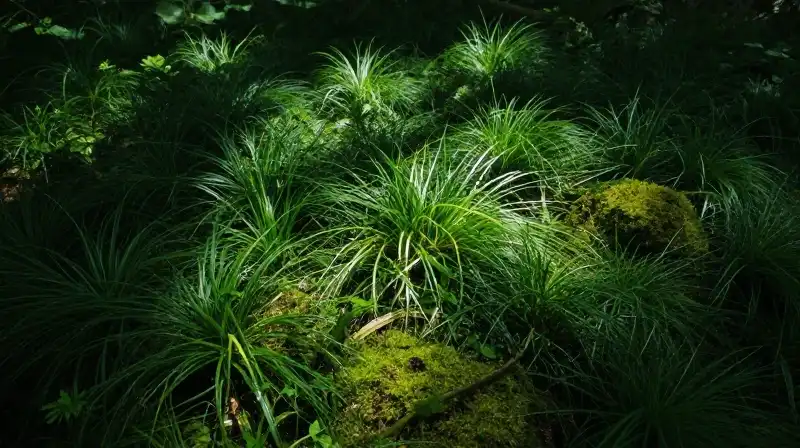 Selecting the best lawn to grow in shade depends heavily on whether you live in a cool-season or warm-season climate, as grass types vary significantly in their light tolerance.
Cool-Season Grass Options
In areas with cooler temperatures, two types stand out as the most shade-tolerant options:
- Ryegrass: Excellent shade tolerance and quick growth.
- Fescues (Fine and Tall): These varieties are robust and handle reduced light well.
Warm-Season Grass Options
For warmer regions, you must opt for grasses that can tolerate some shade, though they generally prefer more light:
- Zoysiagrass: A resilient warm-season grass that accepts shade.
- St. Augustinegrass: Known for its ability to grow in partially shaded, warmer conditions.
The Role of Seed Blends
Because no single grass perfectly suits every microclimate, it is recommended to purchase pre-made shade-tolerant blends. These blends are designed so that the different types of grass within the mix compensate for each other’s specific limitations, ensuring greater overall survival rates in challenging conditions.
Optimizing Lawn Maintenance in Shade
Maintaining a lawn in the shade requires adjustments that differ significantly from those used on a sun-drenched yard. Applying standard care routines can unintentionally harm your turf.
Adjusting Mowing Practices
When cutting shade-grown grass, you must allow the lawn to be slightly taller. Setting your mower to one-half to one inch higher than you would use on a sunny lawn is vital, as this enables the grass to maximize the capture of limited light filtering through leaves or structures. Crucially, avoid scalping the grass. Cutting it too short significantly weakens the turf and severely hinders its ability to recover in a low-light environment.
Specialized Irrigation Needs: Under Trees vs. Under Buildings
The water requirements of shade-tolerant grass vary depending on what is shading it:
- Under Deciduous Trees: The turf often requires more frequent and deeper irrigation. This is because the tree’s root system absorbs significant moisture from the soil, and the canopy can reduce the amount of rainfall reaching the ground.
- Under Buildings/Structures: Turf situated beneath a structure usually does not require increased watering. In these spots, the grass utilizes water more slowly due to the cooler, more sheltered microclimate.
Fertilization and Nutrition Limits
Shade-grown grass needs less energy than a full-sun lawn. Applying standard high-nitrogen fertilizers can be inefficient or even harmful. Use lighter fertilization and reduce nitrogen content by approximately one-half to two-thirds compared to the needs of a sunny lawn.
Troubleshooting Struggling Shade Lawns
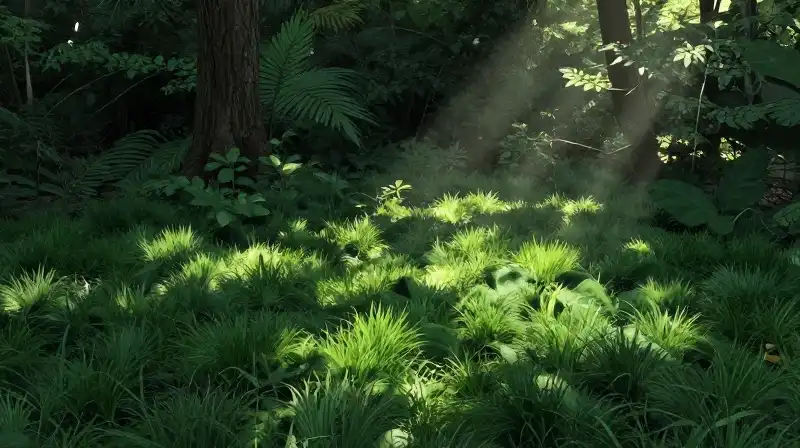 If your lawn appears thin, stressed, or fails to establish, a diagnosis of the primary stressor is the first step.
Environmental and Soil Stressors
Several factors can hinder successful shade establishment:
- Foot Traffic: High traffic compact soil and causes physical stress. Eliminating unnecessary foot traffic helps the grass recover.
- Evergreen Canopies: If the shading source is an evergreen tree, the acidic nature of the leaf litter can negatively impact soil health. Deciduous trees generally provide more forgiving conditions for grass growth.
Strategic Interventions and Alternatives
If maintenance fails to yield results, consider these actions:
- Overseeding: Applying overseeding can rejuvenate a thin or struggling turf.
- Ground Covers: Utilizing shade-tolerant ground covers is a viable option when traditional grass fails to establish.
- Mulching: Applying light-colored mulch can help regulate the temperature and moisture levels, providing a beneficial microclimate for the grass.
Choosing the Best Path for Shade Lawn Success
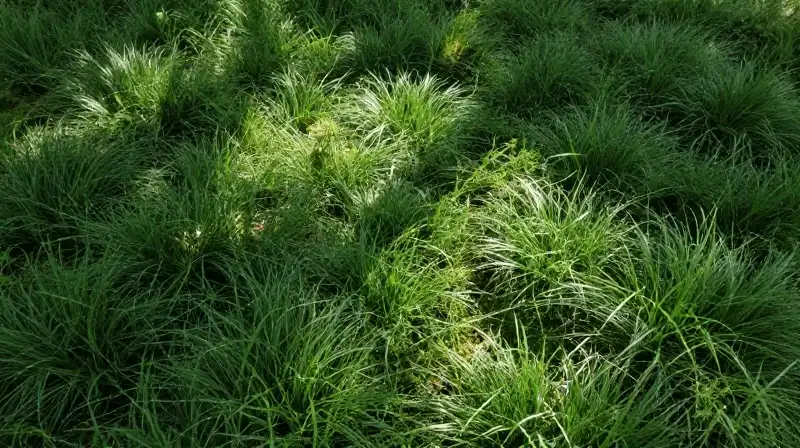 Successfully cultivating grass in shade depends on identifying the primary limiting factor—whether it is light, water access, or soil acidity—and tailoring your strategy accordingly. Always begin by selecting a climate-appropriate grass, such as fine fescues for cooler areas or Zoysia for warmer ones. From there, adjust your mowing height upwards and ensure irrigation matches the source of the shade (deeper watering under trees, reduced watering under structures). By prioritizing lighter fertilization and eliminating physical stress, you can maximize the potential of a shade-grown lawn and create a vibrant, resilient landscape.
Frequently Asked Questions
What is the best lawn to grow in shade?
Depending on the climate, best options include Ryegrass and Fescues for cool-season areas, or Zoysiagrass and St. Augustinegrass for warmer regions. Additionally, pre-made shade-tolerant blends are recommended to compensate for specific microclimate limitations.
How to Grow a Thriving Lawn in Shaded Areas
Select the Right Grass
Choose grass species adaptable to shaded conditions, such as Ryegrass or Fescues for cool climates, or Zoysiagrass or St. Augustinegrass for warm climates, ideally utilizing pre-made shade-tolerant blends.
Optimize Mowing Practices
Cut the grass slightly taller than you would for a sunny lawn (one-half to one inch higher) to maximize light capture, while strictly avoiding scalping the turf.
Adjust Irrigation
Modify watering based on the shading source; use deeper, more frequent irrigation under trees (due to root absorption) but reduce watering under structures where the microclimate is cooler.
Manage Fertilization
Use lighter fertilization and reduce nitrogen content by 50% to 66% compared to full-sun lawn needs, as shade-grown grass requires less energy.
Address Stressors and Implement Interventions
Minimize foot traffic to reduce compaction. If maintenance fails, consider applying light-colored mulch to regulate temperature or utilizing shade-tolerant ground covers.
Related Articles