Coral Bells Seed Starting Guide: From Germination to Planting

Introduction
Starting Coral Bells from seed (Heuchera) offers the satisfaction of growing beautiful, low-maintenance perennials from the ground up, though it requires patience and specific environmental control. Often confused with other flowering shrubs, Heuchera is a North American native known for its foliage, but it also produces highly valued tubular flowers attractive to hummingbirds. This guide outlines the necessary steps, from the crucial germination process to successful establishment in your garden, helping you navigate the unique needs of this resilient plant.
Understanding Heuchera’s Basic Needs
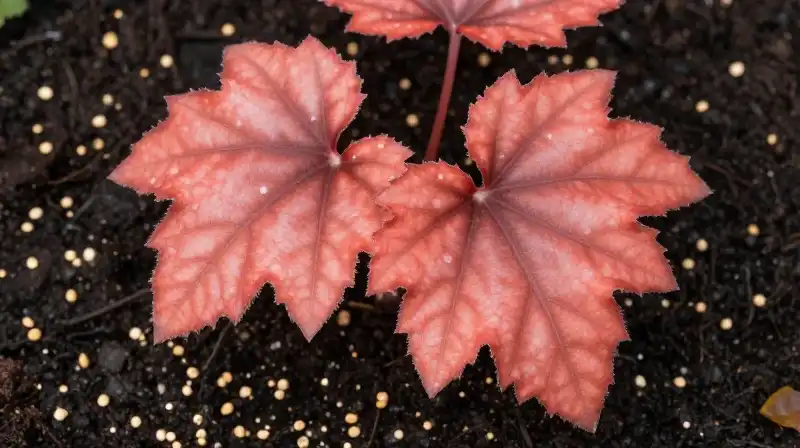
Before sowing, it is essential to recognize the key characteristics of Heuchera to avoid common pitfalls. While some sources suggest they are difficult to grow, the primary challenge lies in managing their specific environmental demands and initial establishment. Coral bells thrive in rich, well-draining soil and require consistent moisture, but they are not entirely indiscriminate regarding sun.
Success with Heuchera depends heavily on the season and location:
- Soil Composition: The species requires rich soil with excellent drainage to actively prevent root rot.
- Sun Exposure: They generally suit partial shade, but they tolerate full sun if given adequate extra watering to maintain health.
- Water Requirements: Moderate and regular watering supports vigorous growth. In full sun, increased watering is necessary.
- Growth Cycle: These plants are generally considered evergreen and are known for their relatively low maintenance once established.
Seed Starting and Germination Timeline
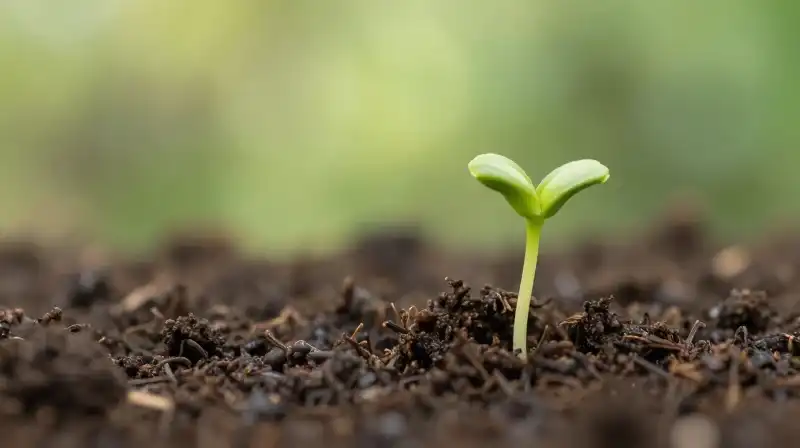
The first step in growing coral bells seeds is managing the germination period. Heuchera seeds do not sprout spontaneously; they depend entirely on light and temperature to activate the germination process.
How Long Does It Take for Coral Bells to Grow From Seed?
The germination process for Heuchera typically takes between 21 and 30 days. This timeframe is subject to the consistency of temperature and light exposure.
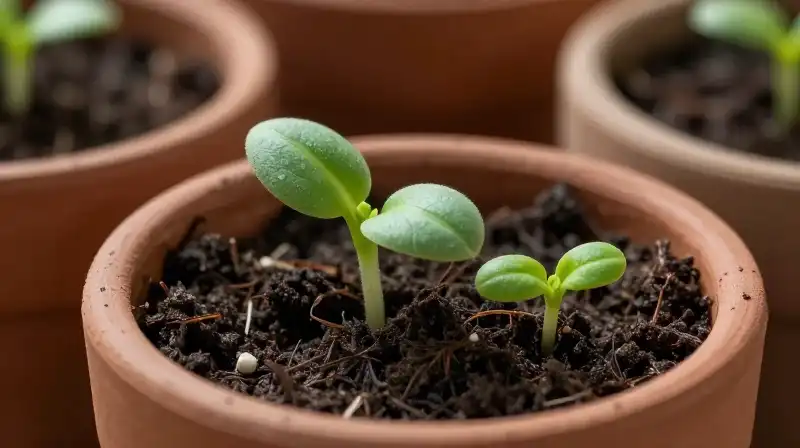
To achieve successful germination, seedlings must be sown in cell packs or flats, but importantly, they should be pressed gently into the soil without covering them. Light penetration to the seeds is non-negotiable for the sprout to emerge.
- Temperature: Maintain a consistent temperature range of 65–70° F during the initial growth phase.
- Light: Ensure seedlings receive adequate light exposure daily.
When to Plant Coral Bell Seeds?
For the best results, consider the timing of your planting. Heuchera seedlings can be established indoors several months before transplanting. A strategic alternative is planting Heuchera seeds in the fall; this practice often leads to a successful bloom in the subsequent spring, allowing the plant a full season of maturation.
Transitioning from Seedling to Garden
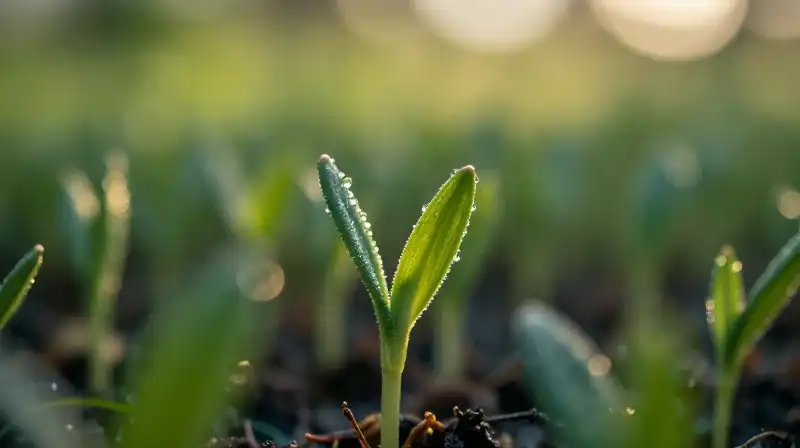
Once the young plants have developed enough strength (often requiring several months of establishment indoors), the next phase is transplanting them into their permanent location, whether in a garden bed or a larger container. Seedlings should be handled with care to ensure they are not damaged during the shift from the flat to the soil.
Planting and Spacing Requirements
When preparing the garden site, ensure the soil is rich and well-draining. Once transplanted, the plants need adequate space to grow vigorously.
- Spacing: When planting in the garden, give each Coral Bell 12 inches of space to allow for optimal airflow and root development.
- Establishment Care: As they are transplanted, continue to provide moderate and regular watering until they are established in their final environment.
Optimizing Environmental Health and Preventing Issues
While Heuchera is robust, specific conditions can affect its longevity and health. Understanding the balance between sun, shade, and soil quality is key to preventing common issues.
Sunlight vs. Shade: Determining the Right Spot
The choice between a sunny spot and partial shade depends on your climate and preference for maximum vigor.
| Environment | Primary Benefit | Care Requirements | Ideal Climate |
|---|---|---|---|
| Full Sun | Vigorous color development and strength. | Requires extra watering to maintain health and prevent wilting. | Mild Summer Climates |
| Partial Shade | Easier maintenance; natural moisture retention. | Consistent moderate watering is necessary. | Regions prone to intense afternoon heat. |
Mitigating Fungal Problems
The primary vulnerability of Coral Bells is fungal disease, which can occur when the environment is too damp or overly shaded. If your plants begin to show signs of excessive dampness and poor health, immediate intervention is required.
To manage fungal issues, move the affected plants to a sunnier, drier location if necessary. This change in environment helps reduce moisture levels around the foliage, which is the primary trigger for fungal outbreaks.
Maintaining Plant Vigor and Blooming
For long-term success, proactive maintenance is crucial. Although Heuchera is categorized as low maintenance, periodic care ensures density and sustained flowering.
Nutrition and Fertilization Strategy
To support the vigorous growth and rich foliage of the plant, fertilization is recommended. However, over-fertilizing can harm the plant. A slow-release fertilizer is the most suitable choice, applied up to three times per year to ensure steady nutrition without causing sudden stress.
Long-Term Maintenance and Harvesting
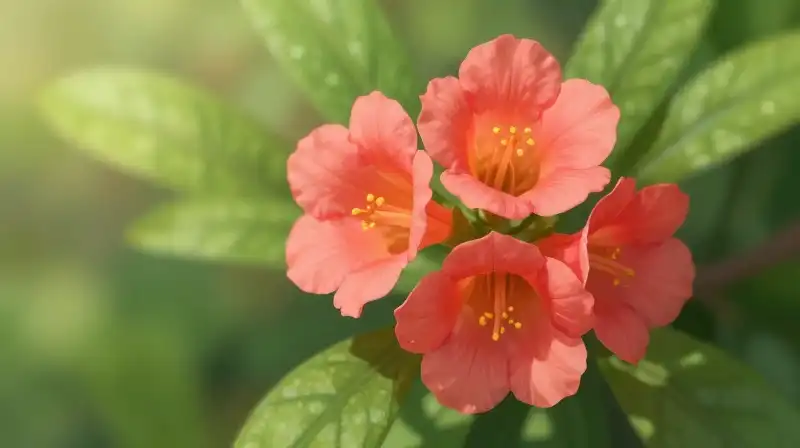
To prevent the plant from becoming sparse and to maintain its robust appearance, division of the Coral Bells is advised every 3 to 4 years. Additionally, the characteristic tubular flowers are excellent for cutting and are highly sought after by gardeners due to their strong attraction to hummingbirds. Seed pods are ready for harvest once they dry but have not yet opened.
Practical Checklist for Coral Bells Seedlings
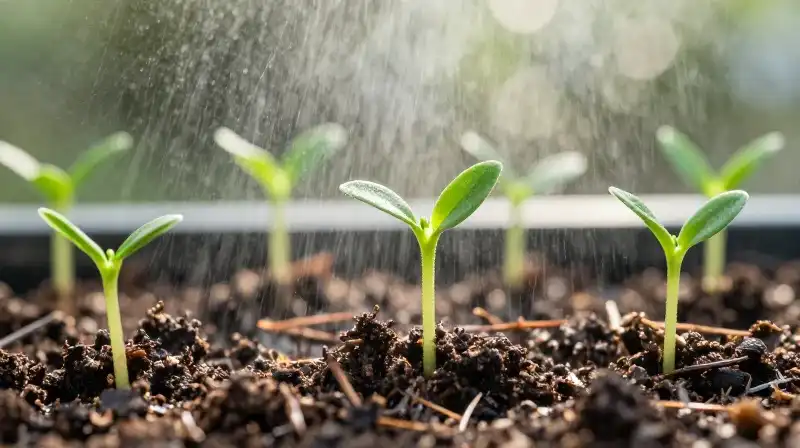
Before you begin your planting project, review these critical checkpoints to minimize risks and maximize the chances of success with your coral bells seeds.
- Sowing Depth: Press seeds gently into the soil; do not cover them with soil.
- Moisture Control: Ensure excellent soil drainage to prevent root rot, but maintain consistent moderate watering.
- Heat Consistency: Maintain a 65–70° F range during the germination period.
- Light Priority: Adequate light is necessary for successful sprouting and subsequent growth.
- Structural Care: Plan to divide plants every 3–4 years to maintain density and health.
- Climate Adjustments: If growing in intense heat, prioritize afternoon shade to maintain plant vitality.
Frequently Asked Questions
How long does it take for coral bells to grow from seed?
The germination process for Heuchera typically takes between 21 and 30 days. This duration is subject to the consistency of temperature and light exposure.
Are coral bells hard to grow?
While some sources suggest they are difficult to grow, the primary challenge is managing their specific environmental demands and initial establishment. Once established, these plants are generally known for being relatively low maintenance.
Starting Coral Bells from Seed
Sow the Seeds
Seed Coral Bells in cell packs or flats. Gently press the seeds into the soil without covering them to allow for light penetration.
Maintain Germination Conditions
Ensure the seeds receive adequate light exposure daily and maintain a consistent temperature range of 65–70° F until germination, which typically takes 21 to 30 days.
Establish Seedlings Indoors
Once germinated, allow the seedlings to establish indoors for several months until they have developed enough strength for transplanting.
Prepare the Planting Site
Ensure the final garden location has rich soil with excellent drainage to prevent root rot.
Transplant to Garden
Carefully move the established seedlings from the flats to the garden, spacing each Coral Bell 12 inches apart.
Provide Establishment Care
Continue to provide moderate and regular watering until the plants are successfully established in their permanent environment.
Maintain Plant Vigor
Apply a slow-release fertilizer up to three times per year to support vigorous growth and maintain the plant’s health.
Related Articles