How to Grow Bunny Tails Grass: A Step-by-Step Care Guide

Introduction
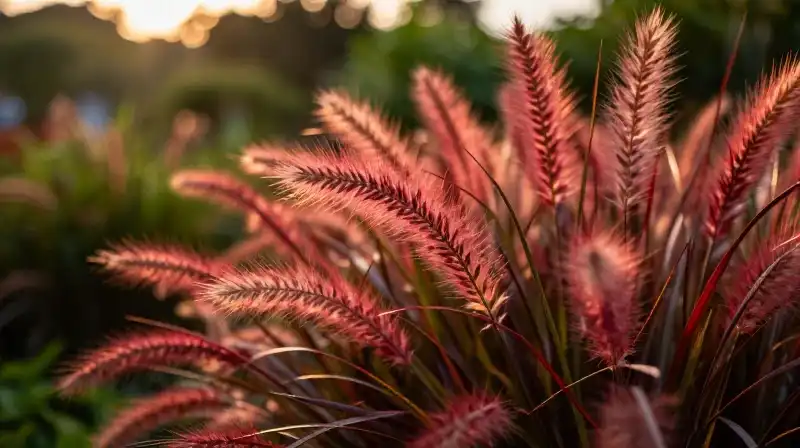
Bunny Tails, scientifically known as Lagurus ovatus, offers a delicate and highly ornamental touch to any landscape or centerpiece. Despite its charming appearance as a fluffy, bunny-like grass, successful cultivation requires attention to its specific needs as a cool-season annual. This guide outlines the precise steps, from initial seed preparation to maintaining a healthy bloom, ensuring you can transition from simply admiring the grass to successfully growing it in your own garden.
Understanding the Ideal Growing Environment
 Before planting, it is critical to understand the environmental limits of Bunny Tails. This ornamental grass is highly dependent on specific climatic and light conditions to thrive.
Light and Space Requirements
Bunny Tails demands full sun to achieve its desired 24-inch height and vibrant bloom quality. Placing it in partial shade will significantly reduce its vigor. When establishing the patch, proper spacing is necessary for adequate air circulation and root development; place plants 4 to 6 inches apart.
Climate and Hardiness Zones
While Bunny Tails thrives in cool seasons, it is important to note that it is not inherently frost-hardy. Cultivation is best suited for USDA hardiness zone 8 and colder, provided it is planted after the risk of late spring frosts has passed. To prevent damage, wait until the final spring frost date before moving plants outdoors or allowing them to settle.
Step-by-Step Seed Starting and Planting
 You have two primary options for starting your Bunny Tails grass: direct sowing or starting seeds indoors. The choice depends on your local climate and desired timing.
Starting Indoors (Pre-Season Preparation)
For early establishment and to give the grass a head start, you can begin by sowing seeds indoors. This preparation should commence 4 to 5 weeks before your planned outdoor planting date.
Direct Seeding (Outdoor Method)
If your planting window is short, direct seeding is appropriate. Sowing directly into the garden bed allows the plant to establish itself immediately in the desired location. Regardless of the starting method, germination typically occurs within 5 to 14 days.
Watering and Maintenance throughout the Cycle
The watering strategy for Bunny Tails must adapt as the plant transitions from a vulnerable seedling to a mature ornamental grass.
Initial Establishment and Root Development
During the first growth phase, consistent and regular watering is essential. This initial phase ensures the grass can establish a strong, robust root system, which is the foundation for a healthy, long-lasting plant.
Transition to Drought Tolerance
Once the Bunny Tails grass is fully established, its water needs decrease dramatically, making it highly drought-tolerant. Moving forward, you do not need frequent irrigation. Instead, when extended periods of dryness occur, focus on providing deep, thorough watering to maintain overall plant health without overwatering.
Understanding the Growth Timeline
 Successful growing of this ornamental grass involves managing its full life cycle, from germination to peak flowering.
The Blooming Window
The average time required for Bunny Tails to complete its full blooming cycle, from planting to peak aesthetic display, is approximately 90 to 110 days. Planning your garden around this timeline ensures the plant reaches its decorative potential during the intended season.
Addressing Common Growing Questions
Gardeners often face confusion regarding the best way to use this grass or where it is most effective. Here are critical clarifications.
Indoor vs. Outdoor Cultivation
Bunny Tails is primarily cultivated for its outdoor presence and aesthetic appeal in landscaping. While limited indoor growing is possible, it requires a brightly lit area that provides ample sunlight. If you attempt to grow it in pots indoors, ensuring the container features excellent drainage is non-negotiable to prevent waterlogging, which can easily harm the roots.
Ornamental Use and Aesthetics
As an ornamental grass, the grass is best utilized where its soft, fluffy texture can be admired. It is a popular choice for use as a natural filler or topper in floral arrangements, or for providing subtle texture in a landscape design.
Practical Warnings and Final Planting Checklist
 To maximize the health and visual appeal of your Bunny Tails, follow these final precautions before planting.
Before finalizing your planting schedule, confirm that your chosen location meets the full sun requirements. Check your local frost dates and ensure you are operating within USDA Zone 8 or colder limits. Remember, the transition from regular watering to deep, occasional watering is key to sustainable maintenance. By managing these environmental variables and respecting the grass’s cool-season nature, you can successfully grow beautiful Bunny Tails grass.
How to Grow Bunny Tails Grass
Prepare the Growing Environment
Before planting, confirm your chosen location receives full sun and ensure it is within USDA zone 8 or colder. Space plants 4 to 6 inches apart to allow for adequate air circulation.
Choose a Starting Method
Select between direct seeding into the garden bed or starting seeds indoors, depending on your local climate and desired planting window.
Start Seeds Indoors
If starting indoors, sow the seeds 4 to 5 weeks before the planned outdoor planting date to give the grass a head start.
Establish Initial Growth
During the first growth phase, provide consistent and regular watering to ensure the grass develops a strong, robust root system.
Transition to Drought Tolerance
Once fully established, reduce frequent irrigation. Instead, provide deep, thorough watering only when extended periods of dryness occur, as the grass becomes highly drought-tolerant.
Related Articles