White Princess Plant Care: The Essential Guide to Healthy Variegation

Introduction
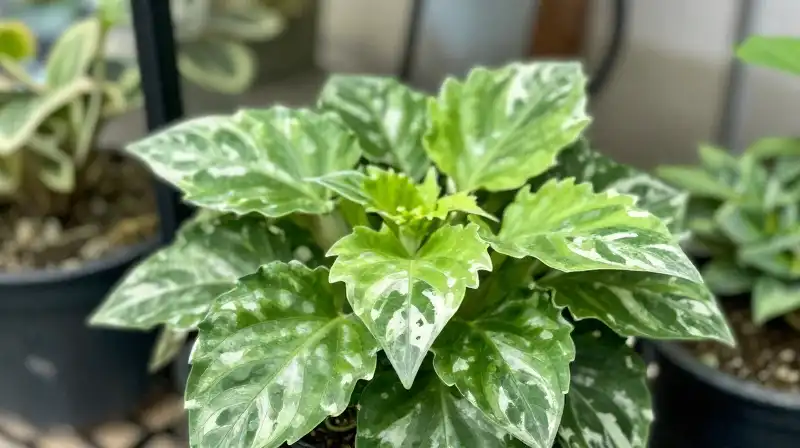
The Philodendron White Princess is a highly sought-after aroid, prized specifically for its breathtaking and stunning white variegated foliage set against deep green leaves. While many Philodendrons are known for their adaptability, the White Princess has specific, high-demand requirements. Its success is entirely dependent on maintaining the vibrancy of that white variegation. If you are looking to keep this exotic hybrid thriving, understanding its nuanced needs for light, humidity, and structure is essential to prevent the variegation from fading or the plant from succumbing to common aroid issues.
Light Requirements: The Key to Maintaining Variegation
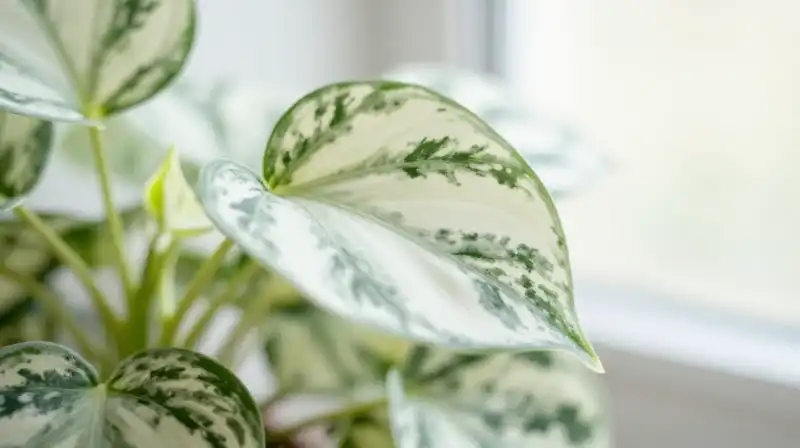
Unlike some lower-light tolerant houseplants, the White Princess requires substantial illumination to display its best features. To ensure the striking white pigment remains bright and distinct, the plant must receive a minimum of six hours of bright, indirect light daily. This level of exposure is non-negotiable for healthy variegation.
It is crucial to differentiate between “bright indirect” and direct sunlight. While the plant loves strong light, placing it in harsh, unfiltered midday sun can cause leaves to scorch. An ideal location is typically near an east-facing window or a slightly filtered south/west window.
Failing to provide sufficient illumination is the most common mistake new owners make. Low light will not only stunt growth but will also cause the white sections of the leaf to fade or appear dull, negating the plant’s primary appeal.
Optimal Growing Conditions: Temperature and Humidity
The White Princess is a tropical plant that thrives in consistently warm and moist atmospheric conditions. Maintaining an environment that mimics its native jungle habitat is critical for robust health.
- Temperature: The plant requires a consistently warm environment, ideally staying above 65°F (18.3°C). Avoid placing it near drafty windows, cold air vents, or in sudden temperature fluctuations.
- Humidity: High humidity is essential. Aim for 60% humidity or higher. To achieve this in a dry home, consider grouping the plant with other moisture-loving species, using a pebble tray, or utilizing a humidifier.
Soil and Watering Techniques
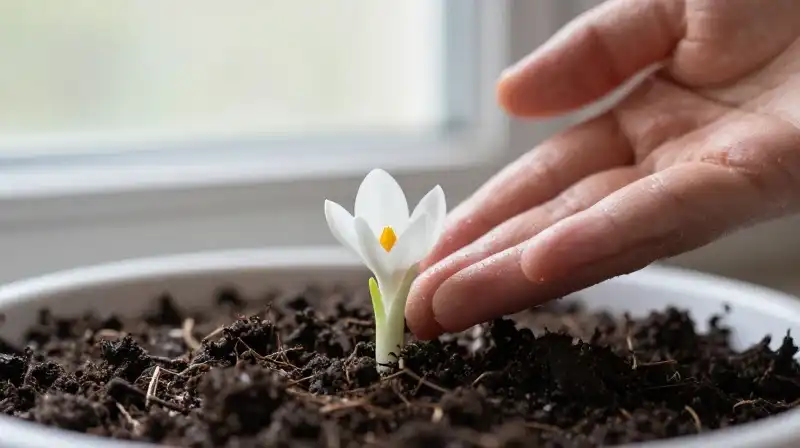
The root system of the White Princess prefers an airy, well-draining environment that prevents water from sitting stagnant. Overwatering is the single biggest threat to this plant, often leading to deadly root rot.
The ideal potting mix should be loose, rich, and extremely porous. A recommended blend includes standard potting soil mixed with large amounts of perlite and orchid bark to ensure rapid drainage and excellent aeration.
Regarding watering, the rule is less about a schedule and more about checking the substrate. Allow the top few inches of soil to dry out completely before thoroughly soaking the plant again. Always water until it drains freely from the bottom of the pot, ensuring all roots receive moisture, then ensure the saucer is emptied promptly.
Growth Habits, Size, and Expectations
Regarding how big the White Princess gets, this plant generally grows into a medium-sized foliage plant. It can spread into a dense clump, but its ultimate size depends heavily on light exposure and whether it is allowed to climb. As a vining Philodendron, it will continue to grow and branch for many years if given the opportunity to climb an internal support structure.
Is a White Princess a good houseplant? It makes an excellent feature houseplant, but it demands dedicated care. It is rewarding for those who can commit to providing intense, consistent light and high humidity. For a beginner, the need for precise watering and light levels might present a challenge, but for an experienced plant parent, the payoff is a spectacular specimen.
Long-Term Care and Maintenance
To ensure the long-term vitality of your White Princess, consistent maintenance is necessary, including feeding and periodic repotting.
Feeding and Fertilizing
The White Princess is considered a heavy feeder during its active growth phase, typically spring through fall. It benefits greatly from the regular application of a balanced, diluted nitrogen fertilizer. Dilution is key to prevent root burn; always follow the product’s instructions or use half the recommended strength.
Repotting and Pruning
Every two to three years, the plant should be repotted into a container that is only slightly wider (1–2 inches) than the current one. Repotting into a significantly larger vessel can lead to excess soil staying damp for too long, increasing the risk of root rot. Pruning dead or yellowing leaves is simple and important, allowing the plant to focus its energy on producing new, healthy growth.
New plants can be easily propagated using stem cuttings. Simply cut a stem below a node, allow it to callous slightly, and place it in warm water until roots develop.
Troubleshooting Common Issues
The symptoms of poor care are often easily identifiable, provided you check the underlying environmental factors first.
- Fading or Duller Variegation: This is the primary indicator that the plant is not receiving enough bright, indirect light. Increase light intensity immediately.
- Yellowing Leaves/Mushy Stems: This is almost always a sign of overwatering and root distress. Reduce watering frequency and check the drainage of the pot.
- Brown, Crispy Tips: These tips usually indicate low environmental humidity or inconsistent watering. Increase ambient humidity and ensure consistent moisture delivery.
- Pests: Common invaders include fungus gnats (sign of consistently damp soil), mealybugs, and thrips. These can be managed proactively with preventative measures or treated using insecticidal soap or neem oil.
Prioritizing Success with the White Princess
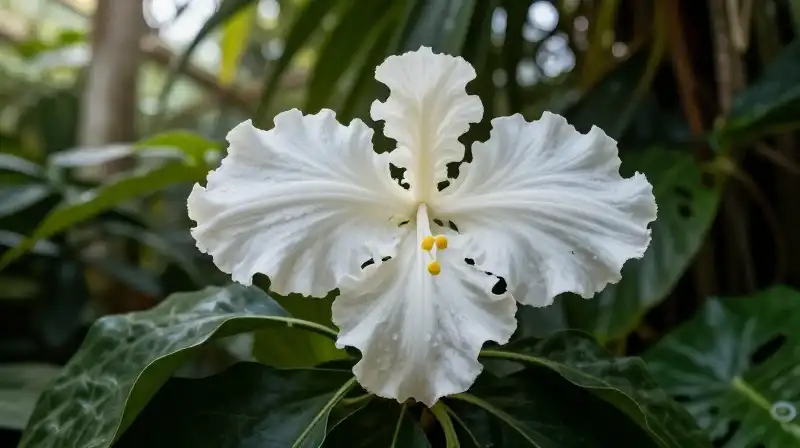
Maintaining a White Princess is less about finding a perfect watering schedule and more about optimizing its living conditions. The most critical elements to prioritize are consistent, bright indirect light (at least six hours) and high humidity. While the plant is generally resilient to minor fluctuations, it will quickly manifest distress if the core requirements of light and moisture balance are ignored. Treat it as a high-performance tropical specimen that rewards diligent, light-centric care.
Explore more: Celtic Symbols for Brotherhood: Meanings and Interpretations
Frequently Asked Questions
Is a white princess a good houseplant?
The White Princess makes an excellent feature houseplant, but it demands dedicated care. Its success relies on consistent, bright indirect light for at least six hours daily and maintaining high humidity.
How to Care for a Philodendron White Princess
Ensure Proper Lighting
Provide the plant with a minimum of six hours of bright, indirect light daily, typically near an east-facing window.
Maintain Optimal Environment
Keep the plant in a consistently warm location (ideally above 65°F) and maintain high humidity (60% or higher).
Prepare the Potting Substrate
Use an airy, well-draining potting mix, such as a blend of standard potting soil mixed with perlite and orchid bark.
Execute Watering Routine
Wait for the top few inches of soil to dry out completely before thoroughly soaking the plant until it drains freely from the bottom.
Fertilize During Growth Phase
Apply a diluted, balanced nitrogen fertilizer during the active growth season, typically spring through fall, following half the recommended strength.
Perform Regular Maintenance
Every two to three years, repot the plant into a container only slightly wider (1–2 inches) than the current one and prune any dead or yellowing leaves.
Related Articles