How to Keep Hoya Insularis Healthy: Watering and Light Rules

Introduction
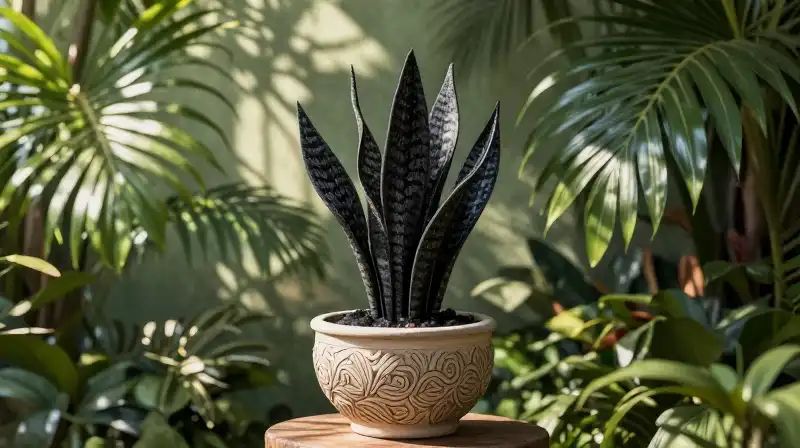
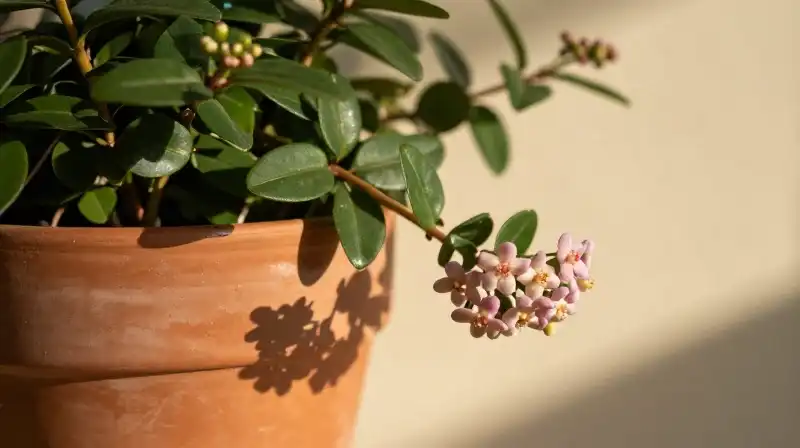
The Hoya Insularis is a highly sought-after plant, prized for its dark, strappy foliage and unique potential for dramatic variegation. While these beautiful specimens are rewarding, their survival relies heavily on precise environmental management, specifically regarding water and light. The key to maintaining a healthy Hoya Insularis is understanding its unique physiological needs rather than following generic houseplant advice. This guide details the specific light exposure and moisture levels required to ensure your plant thrives, preventing the common pitfalls like root rot or scorched leaves.
Understanding the Light Requirements for Optimal Growth
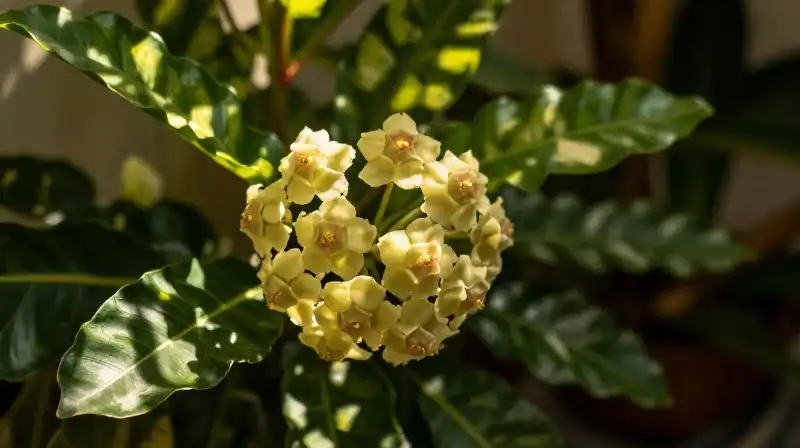
Hoya Insularis thrives under bright, indirect light. This level of illumination provides the energy needed for robust growth and helps maintain the plant’s vibrant color. However, “bright indirect” is often misinterpreted. It means a space where a significant amount of natural light reaches the plant without it being in the direct path of intense, unfiltered sun.
The Dangers of Extreme Lighting
Managing light exposure is a crucial task. On one hand, insufficient light causes the plant to become dormant, leading to stunted growth and a reduced capacity for flowering. Conversely, overexposure can cause “light stress.” If placed too close to a south or north-facing window, the leaves may turn an unnatural dark purple or, more commonly, develop bleached patches or scorching where the intense sun has killed the leaf tissue.
To protect the foliage, especially when using windows with high UV output, diffusing the light is recommended. Positioning sheer curtains in front of these windows acts as an effective buffer, spreading the intensity evenly across the plant.
Watering the Hoya Insularis: The Risk of Overwatering
The most common cause of death for Hoya Insularis is actually overwatering, which leads to fatal root rot. Unlike many lush plants, this succulent-like Hoya prefers periods of drought rather than consistent moisture. Precise watering is more critical than frequency.
The fundamental rule for watering this plant is: allow the top 1-2 inches of soil to dry completely to the touch before providing moisture again. Do not rely on a schedule or a timer; always use the physical “finger test” to check the soil’s dryness. When the plant is actively growing and exposed to brighter light, its needs will increase, requiring slightly more frequent watering than during slower periods or in lower light.
Decoding Stress: Overwatering vs. Dehydration
It is easy to confuse the signs of needing water with the signs of having too much. Knowing the difference allows for a more informed decision on when to intervene:
- Dehydration: If the Hoya Insularis is experiencing lack of moisture, you will notice a noticeable wrinkling or wilting of the leaves. This is a clear signal that it needs to be watered.
- Overwatering: Conversely, overwatering typically manifests as yellowing leaves, drooping, or a mushiness that signals fungal issues and root distress. If the leaves feel soft or overly pliable despite the soil being moist, reduce your watering frequency immediately.
Addressing Care Questions: Ease of Maintenance and Pests
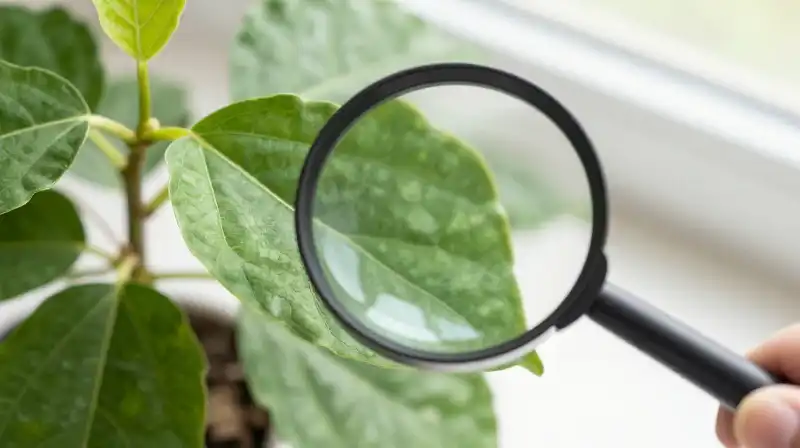
You may wonder if the Hoya Insularis is easy to care for. It is manageable, provided you are meticulous about the two key factors: light diffusion and waiting until the top layer of soil is dry. Consistency is more important than complex routines.
Common Pests and Prevention
Like most tropical foliage plants, Hoya Insularis is susceptible to common houseplant pests. The most frequently encountered intruders include:
- Spider Mites: These are microscopic pests that thrive in dry conditions. They can be an issue if the air in the home is too dry.
- Mealybugs: Small, white, cotton-like insects that hide in crevices.
- Scale: Small, hard, shell-like bumps usually found on stems.
Regular inspection of the leaves and stems is the best defense. Applying an insecticidal soap or neem oil treatment promptly upon detecting any pest can usually halt an infestation.
Practical Care Nuances for a Mature Insularis
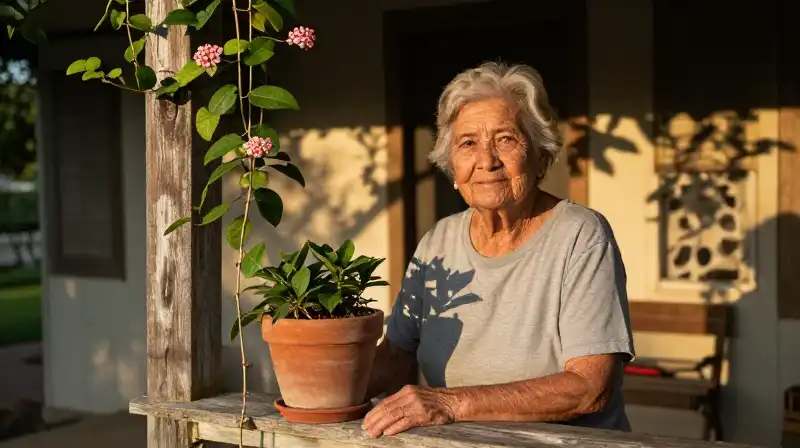
As the Hoya Insularis matures, its needs may evolve. To ensure the plant develops uniformly and reaches its full potential, several proactive steps should be taken:
- Rotate Regularly: Periodically rotating the pot so that all sides receive equal access to light prevents the plant from leaning toward the nearest window, ensuring a well-balanced, healthy appearance.
- Observe Leaf Color Shifts: Be aware that the vibrant green leaves can develop to beautiful, sun-stressed dark purple tones. This is a natural reaction to appropriate light intensity and a sign of a healthy plant in a high-light setting.
- Promote Flowering: Achieving a healthy, mature state is also linked to successful flowering. Maintaining consistent bright, indirect light and allowing the soil to dry out fully before watering provides the necessary conditions for the plant to invest energy into its most spectacular features.
Synthesis: The Practical Checklist for Success
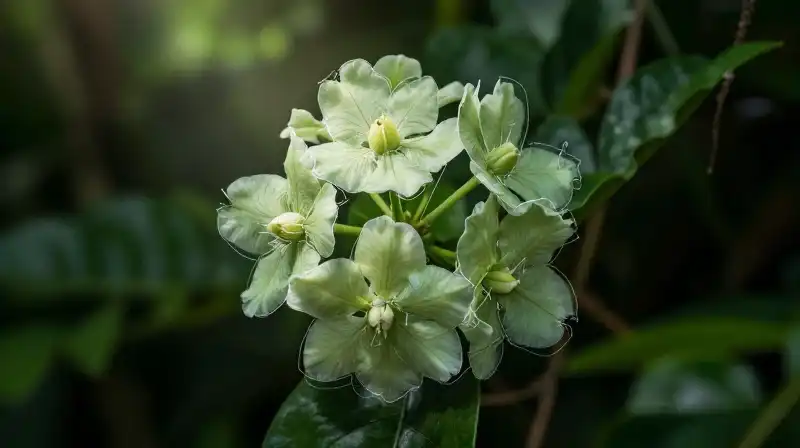
To keep your Hoya Insularis flourishing, do not focus on a strict schedule, but rather on continuous observation. Success lies in creating a stable environment that meets its specific biological demands. The ultimate priority should be this:
- Water Decision Criterion: Wait until the top 1-2 inches of soil are dry. When in doubt, wait longer.
- Light Decision Criterion: Utilize bright, indirect light and use sheer curtains to prevent scorching. Rotate the plant to guarantee uniform light distribution.
- Root Rot Prevention: Never allow the soil to stay perpetually damp, as this is the definitive path to root rot and plant demise.
Explore more: The Three Horns of Odin: Mythological Origins and Historical
Frequently Asked Questions
Is Hoya insularis easy to care for?
It is manageable, but it requires you to be meticulous about light diffusion and waiting until the top layer of soil is dry. Consistency is more important than complex routines for its maintenance.
What are common pests of Hoya insularis?
Common pests of Hoya Insularis include spider mites, mealybugs, and scale. These microscopic insects, which can be found hiding in crevices or on stems, are common intruders for tropical foliage plants.
How to successfully care for Hoya Insularis
Provide appropriate light
Ensure the plant receives bright, indirect light. To prevent scorching, especially near high UV windows, use sheer curtains to diffuse the light evenly across the foliage.
Manage soil moisture
Do not rely on a schedule. Wait until the top 1-2 inches of soil are completely dry to the touch before watering. This prevents root rot.
Rotate the plant
Periodically rotate the pot to ensure all sides receive equal access to light, preventing leaning and promoting uniform growth.
Monitor for pests
Regular inspection of leaves and stems is crucial. If pests like spider mites, mealybugs, or scale are detected, treat them promptly with insecticidal soap or neem oil.
Related Articles