Black Coral Snake Plant: Watering, Light, and Maintenance

Introduction
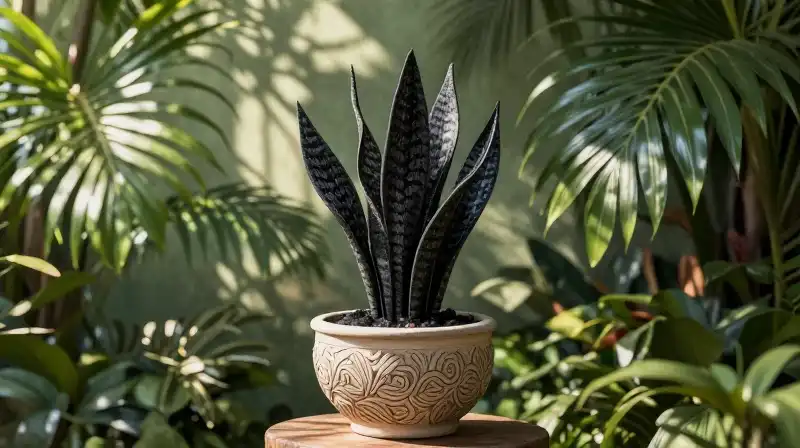
The Black Coral Snake Plant (a striking cultivar of *Sansevieria*) is a highly sought-after architectural plant distinguished by its deep, charcoal-green to near-black foliage. Its unique, structural form and vertical growth habit allow it to serve as a bold focal point in minimalist décor, modern offices, and contemporary indoor spaces. Often mistaken for a generic snake plant, the Black Coral variety is prized specifically for its intense coloration and rigid, upright leaves, giving it a distinct presence that can stand taller and grow more visually dramatic than some common types. As a low-maintenance houseplant, the Black Coral is valued by both experienced and beginner gardeners, but its success relies on understanding its specific needs regarding light and moisture.
Understanding Black Coral Snake Plant Needs
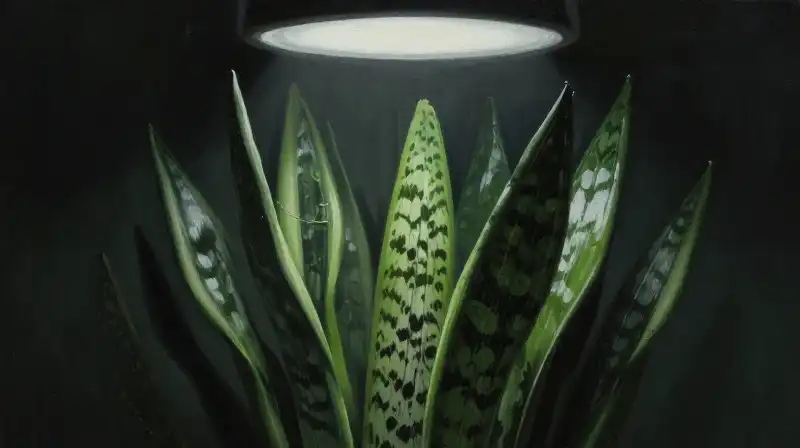 While many *Sansevieria* varieties are known for their extreme hardiness, successful cultivation of the Black Coral requires a nuanced approach, specifically concerning moisture and light intensity. This plant thrives when its robust structure is not compromised by overwatering or intense, scorching sunlight.
Light Requirements and Placement
The Black Coral Snake Plant is remarkably adaptable, tolerating a wide range of indoor light conditions. Unlike many plants, it can handle anything from low to high light, but its specific visual traits depend on the intensity it receives.
- Optimal Placement: Bright, indirect light encourages the development of its characteristic deep color and allows for healthy, vigorous growth.
- Tolerable Conditions: It can survive in moderate indoor light, making it ideal for offices or less sunny corners.
- Critical Limit: Direct sunlight, especially intense afternoon sun, must be avoided. Exposure can cause the dark leaves to scorch, resulting in brown or crispy tips.
The Critical Role of Watering
The single greatest risk to the Black Coral Snake Plant is overwatering, which almost universally leads to root rot. Its robust nature means it can tolerate infrequent watering, but timing is everything.
The foundational rule for Black Coral care is to let the soil dry almost completely before applying water. Watering should only occur when you see clear signs that the plant is thirsty, usually manifesting as drooping or wrinkling of the leaves, or when the top few inches of the soil feel completely dry to the touch. This typically translates to a watering frequency of every 2–6 weeks, depending heavily on the ambient temperature, humidity, and light levels in your specific home.
To prevent damaging the roots, ensure the pot has excellent drainage. Always allow excess water to escape the drainage holes. If you notice mushiness in the leaves or persistent brown tips, it is a primary signal that the plant is suffering from over-hydration.
Growth and Maintenance Protocols
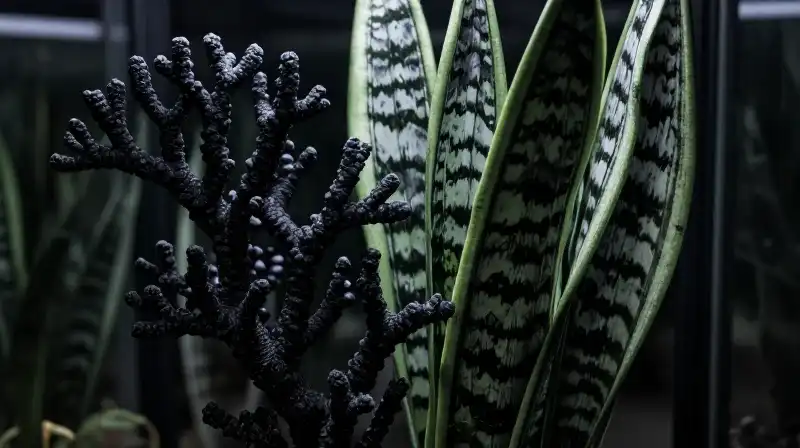 Maintaining a striking Black Coral Snake Plant is straightforward, focusing mainly on environmental stability and occasional nutritional support.
Temperature and Environmental Limits
The Black Coral is highly resilient within its standard indoor temperature range of 55–85°F. Extreme cold can cause significant damage; temperatures dropping below 55°F should be avoided. Because the plant is a tropical adaptation, stable indoor warmth is preferred over fluctuations.
Fertilization and Pests
While not strictly required, providing a diluted, succulent-specific fertilizer during the spring and fall can help maintain the vibrancy of its foliage and encourage faster, healthier growth. Always dilute the fertilizer to half-strength to avoid chemical burn. The Black Coral is generally pest-resistant due to its tough, rigid leaves, but keep an eye out for signs of pests like spider mites or mealybugs, particularly in crowded areas, and treat them with a mild insecticidal soap if they appear.
Black Coral vs. Other Varieties: A Comparison
When choosing a dramatic architectural plant, the Black Coral is often compared to the Black Dragon or specific varieties like *Sansevieria Zeylanica*.
| Feature | Black Coral Snake Plant | Zeylanica (Sansevieria) | Black Dragon Snake Plant |
|---|---|---|---|
| Color/Foliage | Deep charcoal-green to near-black; subtle horizontal striping. | Deep green with prominent, bright vertical striping. | Solid, dark, sometimes “flame-like” green or black. |
| Form | Rigid, upright, vertical rosette. | Tall, spiky, upright. | Compact, dense, architectural. |
While all these varieties offer dramatic, dark aesthetics, the Black Coral is specifically defined by its uniform dark intensity and characteristic subtle horizontal banding, offering a more modern, cohesive look compared to the highly striped nature of *Zeylanica*.
Addressing Common Queries
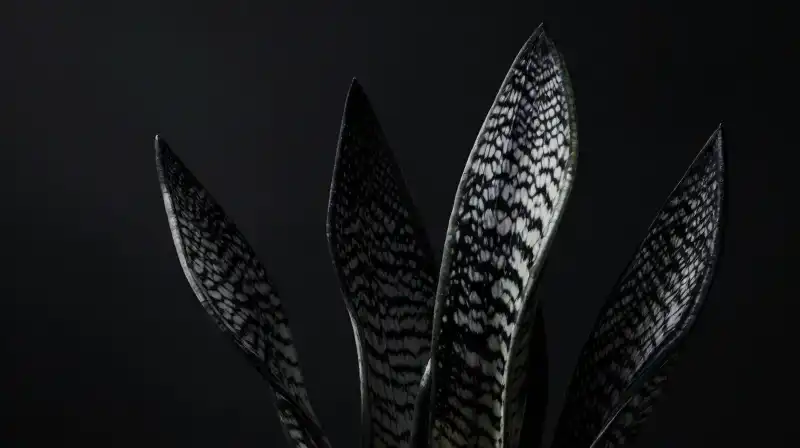
Black Coral Snake Plant Propagation and Use
If you wish to propagate your plant, it is done via cuttings. You can take a healthy division (a segment of the parent plant) and allow the cut ends to callus on a dry surface. Once calloused, plant these segments into fresh, gritty succulent soil and keep them in low light until new growth emerges. These plants also offer a noticeable benefit of air purification, similar to other Sansevieria species, though its primary benefit to a home is its intense visual impact.
Black Coral Snake Plant Height and Maintenance
The plant exhibits an architectural form with upright leaves and can grow quite tall over time, contributing significant vertical interest to a space. It is suitable for both ground pots and hanging baskets, depending on the intended decorative scale of the room. Because it is inherently forgiving, it remains an excellent choice for individuals with inconsistent schedules.
Final Care Synthesis and Practical Warnings
The Black Coral Snake Plant is one of the most resilient and striking indoor options available, thriving on minimal intervention. Its success hinges on two critical practices: ensuring it receives bright, indirect light and diligently avoiding overwatering. Monitor the soil’s moisture levels closely and only water when the plant signals thirst through wilting or wrinkling. While it is considered low-toxicity, it is recommended that pets be kept away from the plant due to potential adverse reactions. By respecting its need for periods of dry dormancy, you can ensure this architectural beauty remains vibrant and healthy for years.
Explore more: Triquetra Meaning: Unpacking the Symbol of the Celtic Knot T
How to Propagate a Black Coral Snake Plant
Harvest the Cuttings
Take a healthy division, or a segment of the parent plant, for propagation.
Allow the Cuttings to Callous
Allow the cut ends of the segment to calloused on a dry surface.
Plant the Segments
Once the ends have calloused, plant these segments into fresh, gritty succulent soil.
Maintain in Low Light
Keep the newly planted segments in low light until new growth emerges.
Related Articles