Yankee Point Ceanothus: Growth, Care, and Spacing Guide


Introduction
Yankee Point Ceanothus is a robust and highly effective groundcover prized for its exceptional durability and suitability in coastal environments. It is a reliable choice for gardeners looking for low-maintenance, fast-growing shrubs that thrive in areas exposed to salt spray or requiring high hardiness. Unlike delicate coastal perennials, Yankee Point offers a dense, glossy mat of dark green foliage contrasted by clusters of bright blue flowers. This cultivar is well-suited for landscapes that demand a strong, spreading presence with minimal fuss, but it requires specific knowledge regarding spacing and pruning to maintain its intended aesthetic.
Key Characteristics of the Yankee Point Ceanothus

To understand how Yankee Point fits into your landscape, it is helpful to know its botanical attributes. It belongs to the species *Ceanothus griseus var. horizontalis* and is recognized for several distinguishing features that set it apart from other groundcover varieties.
- Foliage: The leaves are dark green, glossy, and approximately 1.5 inches long, providing a rich, dense texture.
- Coloration: It features vibrant blue blooms, which typically emerge during the winter months through early spring.
- Hardiness: The plant is exceptionally hardy, with a tolerance for temperatures dipping as low as 15° F, making it ideal for colder climates in coastal or inland settings.
- Salt Tolerance: Its durability is particularly noticeable in coastal areas, where it manages salt spray without significant stress.
Size, Growth Rate, and Establishing a Mature Plant

Yankee Point Ceanothus is designed for sprawling coverage, making it an excellent alternative to traditional creeping varieties that might only form a thin mat. Its growth pattern is defined by a rapid horizontal spread combined with moderate vertical growth. Once established, the plant establishes a thick, dense habit.
The typical size parameters for a healthy Yankee Point Ceanothus are:
- Height: It generally reaches a height of 2 to 3 feet.
- Spread: The plant can have a broad spread, commonly achieving 8 to 12 feet or more.
- Growth Rate: It is a fast-growing variety, allowing it to quickly fill large areas of garden groundcover.
How far apart should I plant a Yankee Point? Spacing Guide
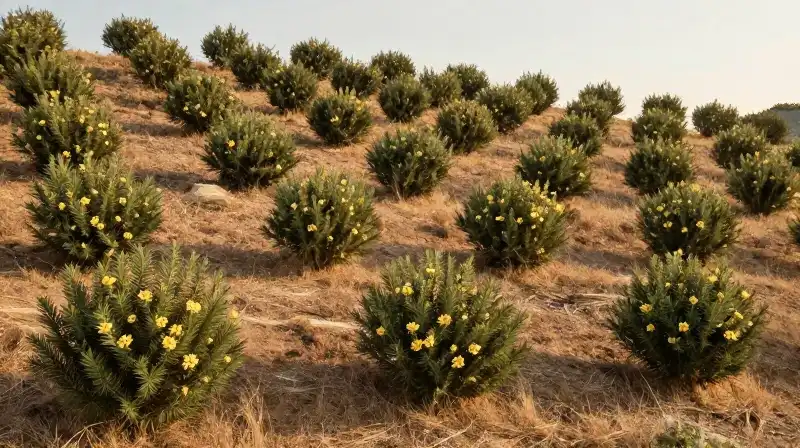
Selecting the correct spacing is crucial for maximizing the effectiveness of Yankee Point Ceanothus as a groundcover and for preventing excessive competition. Because of its broad and aggressive spreading nature, it needs adequate room to fan out, but too much space will allow weeds to take over.
When planning your planting, follow these guidelines to ensure optimal coverage and health:
- Initial Spacing: To achieve full coverage quickly, plant specimens with enough space for them to spread without overcrowding the center of the clump. A good starting point is generally 2 to 4 feet apart, depending on the desired density.
- Spread Management: Remember that this plant is designed to spread wide, not just grow tall. Give it the room it needs to reach its full 8 to 12-foot spread before trimming or containing its growth.
Care Requirements for Coastal and Inland Environments
One of the most practical aspects of growing Yankee Point Ceanothus is its relative low-maintenance nature, especially once it is mature. It is built to handle the extremes of diverse growing conditions.
The plant is highly adaptable regarding location and moisture:
- Light Needs: It can be successfully sited in full coastal sun, partial shade, or even in inland areas where sun is consistent.
- Water Needs: Once the plant is fully established—which should take one growing season—it is quite drought-tolerant and generally requires no additional watering.
Essential Maintenance: Pruning for a Dense Habit
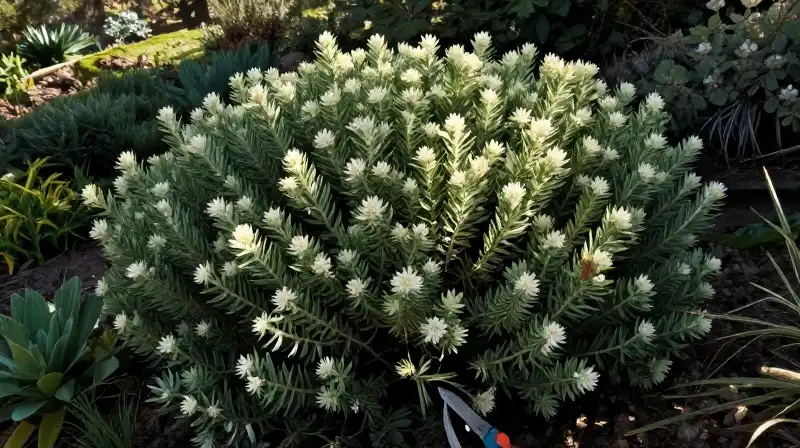
While Yankee Point Ceanothus is incredibly durable, its spreading nature and tendency to mound require proactive maintenance to maintain its dense form and ensure its longevity. Pruning is not just decorative; it is functional.
The Purpose of Pruning:
Regular, judicious pruning helps control its spread and prevents it from mounding too high above the intended groundcover level. By maintaining a dense, low-profile habit, you maximize the coverage of its dark green foliage and prevent the potential for overgrowth.
Pruning Guidelines:
- Timing: Pruning is most effective in the late dormant season or early spring before the new flush of growth begins.
- Method: Focus on selective shaping. Trim back any parts of the plant that have elongated significantly or are encroaching on pathways, focusing on keeping the plant’s profile dense and low.
Yankee Point vs. Carmel Creeper: Deciding on Your Groundcover
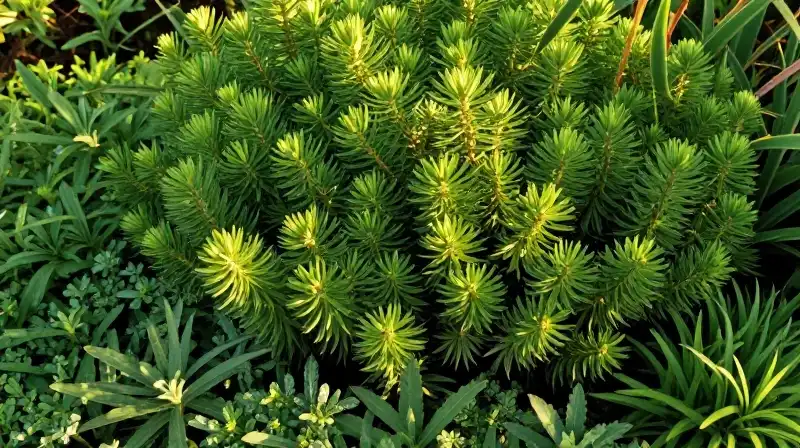
A common comparison for this variety is the Carmel Creeper, but while they share the Ceanothus genus, they serve distinct landscape functions. Understanding these differences can help you make an informed planting decision.
| Feature | Yankee Point Ceanothus | Carmel Creeper |
|---|---|---|
| Durability | High; excellent salt and heat tolerance. | Moderate; sometimes less hardy in extreme coastal conditions. |
| Foliage | Glossy, dark green. | Typically lighter green. |
| Bloom Color | Lighter, vibrant blue. | Often a brighter or more varied blue. |
| Maintenance | Requires judicious pruning to manage spread. | Generally spreads quickly and stays low. |
Ultimately, if your landscape demands a heavier, more resilient, and darker groundcover that can handle salt spray and hard temperatures, Yankee Point is the superior choice. If your goal is a lighter, more traditional creeping mat, other varieties might be suitable.
Practical Considerations Before Planting
To ensure your Yankee Point Ceanothus thrives, always consider the specific conditions of your site:
- Soil Adaptation: While the plant is highly adaptable, ensure the soil has good drainage. *Ceanothus* varieties prefer well-drained areas.
- Coastal Protection: If planting in high-exposure coastal zones, allow the initial establishment period to be protected from the most intense winds until the roots are fully anchored.
- Establishment Phase: While drought-tolerant later on, provide consistent water during the first full season to ensure a vigorous root system develops.
By managing its spread with strategic pruning and respecting its deep hardiness, Yankee Point Ceanothus offers a long-lasting, beautiful, and reliable solution for large-scale groundcover.
Frequently Asked Questions
How far apart should I plant a yankee point?
To achieve full coverage quickly, plant specimens generally 2 to 4 feet apart, depending on the desired density. This spacing ensures that they have enough room to spread without overcrowding the center of the clump.
How to Prune Yankee Point Ceanothus
Timing
Pruning is most effective in the late dormant season or early spring before the new flush of growth begins.
Method
Focus on selective shaping. Trim back any parts of the plant that have elongated significantly or are encroaching on pathways, focusing on keeping the plant's profile dense and low.
Related Articles