Simmondsia Chinensis: Jojoba Oil’s Benefits and Plant Care

Introduction
Simmondsia chinensis, commonly known as Jojoba, is far more than just a botanical name; it is the source of one of the world’s most sophisticated cosmetic and pharmaceutical ingredients. While often confused with the oil it produces, Jojoba refers to the entire evergreen shrub native to arid Southwestern North America. Understanding Jojoba requires looking at two aspects: the resilient, high-heat-tolerant plant, and the chemically unique liquid wax ester extracted from its seeds. This guide details the practical care needed to successfully cultivate the shrub and explores why the resulting oil is highly sought after for its stability, anti-inflammatory properties, and non-comedogenic nature in skincare.
Distinguishing the Shrub from the Oil
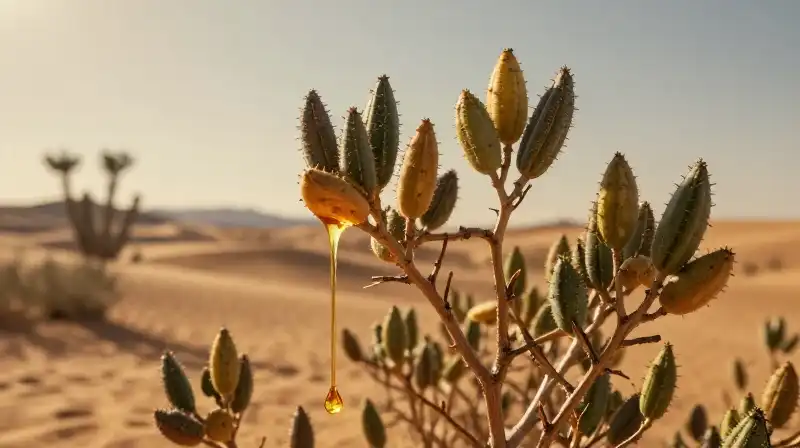
A common point of confusion is the terminology. While “Jojoba” is used as the common name for the plant, “jojoba oil” refers specifically to the byproduct extracted from the seeds. It is critical to recognize that the plant is the provider, and the oil is the harvested substance, making them distinct entities. The seeds themselves are chemically unique and do not have the same composition as traditional vegetable oils; Jojoba oil is classified as a liquid wax ester, not a triglyceride. This specific chemical structure is what gives it remarkable stability and a light, non-greasy feel when applied topically, unlike many other natural oils.
Optimizing Jojoba Plant Care and Cultivation
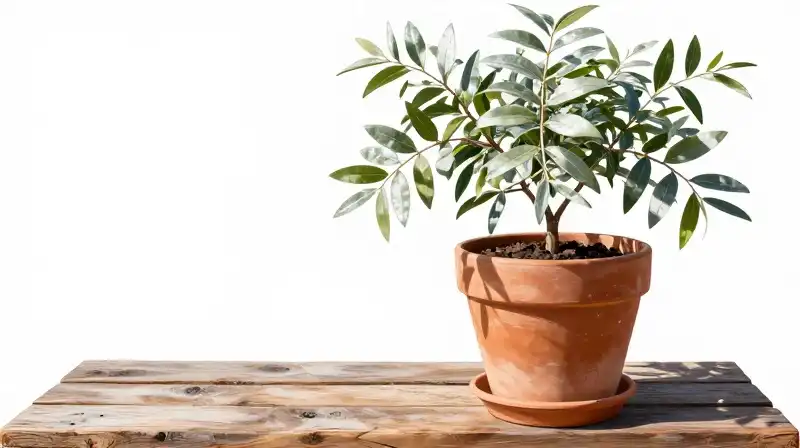
As a native shrub adapted to harsh, semi-arid climates—specifically the desert regions of North America—*Simmondsia chinensis* demands specific growing conditions to thrive. These plants are classified as moderate growers but require deliberate management, particularly regarding their unique reproductive biology.
Optimal Growth Environment:
- Climate: Jojoba is suitable for USDA Hardiness Zones 9 through 11. It requires warm, well-drained soils and tolerates high temperatures and salinity.
- Sunlight: It prefers full, direct sun exposure to maintain its natural vigor.
- Watering: Once established, Jojoba is a drought-tolerant species that requires low watering. Overwatering is the most common cause of decline in this shrub.
A Note on Dioecious Nature: The plant is dioecious, meaning it requires both male and female plants to produce the fruit necessary for oil extraction. For commercial or personal cultivation, it is highly recommended to maintain a planting ratio of one female plant to five male plants (1:5 M to F) to optimize fruit production and successful pollination. Vegetative propagation is often preferred in cultivation to ensure consistent, high-yielding female plants.
The Therapeutic and Skincare Benefits of Jojoba Oil
The demand for Jojoba oil stems directly from its chemical composition. Because it closely mimics the skin’s natural sebum, it absorbs quickly without clogging pores (non-comedogenic), making it highly effective for sensitive or acne-prone skin.
Jojoba oil’s benefits are often categorized into three areas:
- Skincare: It acts as an excellent moisturizer, helping to soothe dryness and improve skin elasticity. Its stability allows it to maintain quality and efficacy over an extended shelf life.
- Therapeutic Properties: Research has noted various anti-inflammatory, antimicrobial, and antifungal characteristics. Historically, Native American cultures utilized salves made from Jojoba to treat wounds and conditions skin and hair.
- Functionality: In the cosmetics and pharmaceutical sectors, its resistance to oxidation and rancidity makes it an ideal base for products, whereas other natural oils may degrade rapidly.
Understanding Jojoba Oil Extraction and Usage
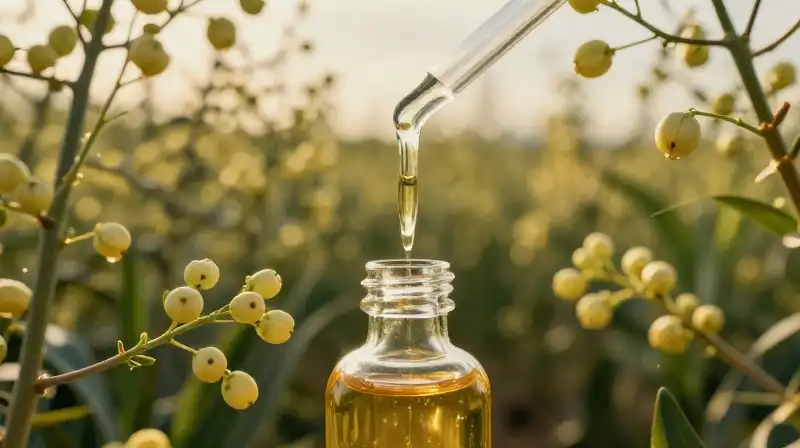
Jojoba oil is derived from the seeds, and its commercial value is underpinned by the extraction process. The primary methods used to harvest the oil are mechanical pressing (the most common method), chemical solvents like hexane, and increasingly, supercritical CO2 extraction, which is favored for its environmental friendliness and ability to preserve the oil’s purity.
While the seeds are non-edible for human consumption, both the seeds and the foliage serve as a vital food source for local wildlife in its native habitat. When using Jojoba oil, it can be applied directly to the skin or used as a carrier oil for essential oils, offering versatile utility in both natural beauty and aromatherapy.
Addressing Common Questions About Simmondsia Chinensis
Is Simmondsia chinensis the same as Jojoba Oil?
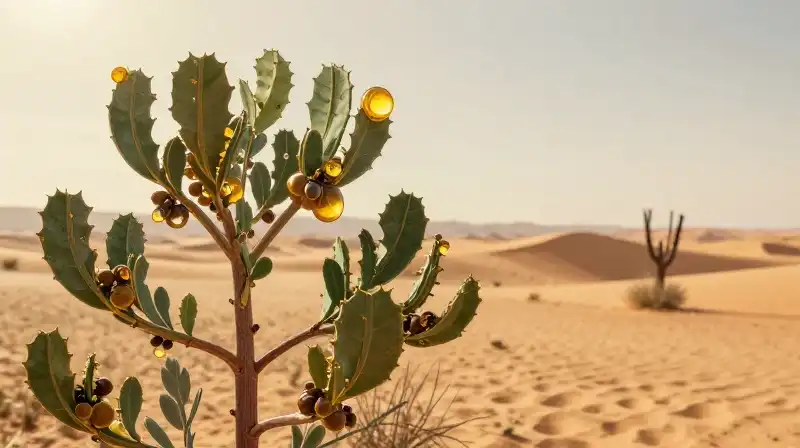
No, they are not the same. *Simmondsia chinensis* is the full shrub. Jojoba oil is a specific liquid wax ester extracted from the seeds of that shrub. They are related but biochemically and functionally distinct.
Is Jojoba Oil Good for the Skin?
Yes, it is widely considered highly beneficial. Its structure allows it to penetrate the skin well, balancing natural oils without stripping or clogging pores. Its anti-inflammatory properties make it a favorite for treating various skin conditions.
What Does Simmondsia Chinensis Smell Like?
Generally, Jojoba oil is described as having a very subtle, mild, and characteristic nutty scent. This low odor profile contributes to its wide acceptance in both delicate skincare products and pharmaceutical applications.
Decision Criteria for Jojoba Cultivation and Selection
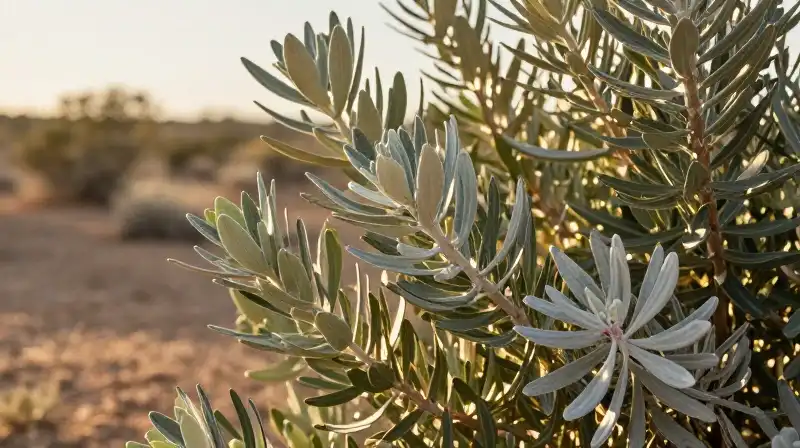
When deciding whether to grow Jojoba or purchase its oil, careful consideration of your climate and goals is necessary.
| Goal | Action/Consideration | Key Limitation |
|---|---|---|
| Growing the Shrub (For Oil or Garden) | Ensure a 1:5 Female-to-Male plant ratio and verify your area is in Zones 9-11. | It requires careful management due to its dioecious nature. |
| Purchasing Jojoba Oil (For Skincare) | Look for cold-pressed, unrefined oils to maintain the highest nutrient integrity. | Ensure the oil source mentions “liquid wax ester” to confirm its chemical composition. |
Ultimately, successful Jojoba production—whether growing the resilient plant or utilizing its valuable oil—relies on respecting its adaptation to arid, full-sun environments and understanding the specialized science behind its unique composition.
Frequently Asked Questions
Is Simmondsia chinensis the same as jojoba oil?
No, they are not the same; Simmondsia chinensis is the full evergreen shrub, while jojoba oil is a specific liquid wax ester extracted from the seeds of that plant. They are distinct entities that are related but biochemically and functionally separate.
Is Simmondsia chinensis jojoba seed oil good for skin?
Jojoba oil is highly beneficial for the skin because it acts as an excellent moisturizer, balances natural oils, and improves skin elasticity. Its non-comedogenic nature and anti-inflammatory properties make it ideal for sensitive or acne-prone skin.
What does Simmondsia chinensis smell like?
Jojoba oil is generally described as having a very subtle, mild, and characteristic nutty scent. This low odor profile contributes to its acceptance in both delicate skincare and pharmaceutical applications.
How to Cultivate Jojoba Shrub
Check Climate Suitability
Ensure your planting location falls within USDA Hardiness Zones 9 through 11, as Jojoba requires warm climates.
Prepare Growing Conditions
Plant the shrub in warm, well-drained soils that can tolerate high temperatures and salinity.
Provide Proper Sunlight
Expose the shrub to full, direct sun to maintain its natural vigor and promote healthy growth.
Manage Watering
Once established, maintain a low watering schedule as Jojoba is drought-tolerant; avoid overwatering to prevent decline.
Ensure Pollination
If growing for oil production, maintain a planting ratio of one female plant to five male plants (1:5 M to F) to optimize fruit and successful pollination.
Related Articles