Lawn Winterizer: When to Use It and How to Prep Your Lawn

Introduction
Winterizing your lawn is far more complicated than simply applying a packet of “winterizer” fertilizer in late autumn. Effective lawn preparation depends entirely on the type of grass you are growing and your specific goals for the season. A product labeled “winterizer” is fundamentally high in nitrogen, and while this feeds overwintering root growth in some cool-season varieties, the same high nitrogen levels can be detrimental—leading to excessive, tender growth that is highly susceptible to killing frost. Before applying any fertilizer, understanding whether your lawn requires a high-nitrogen boost or, in fact, a different type of preparation is essential.
Winterizer vs. Standard Fall Fertilizer
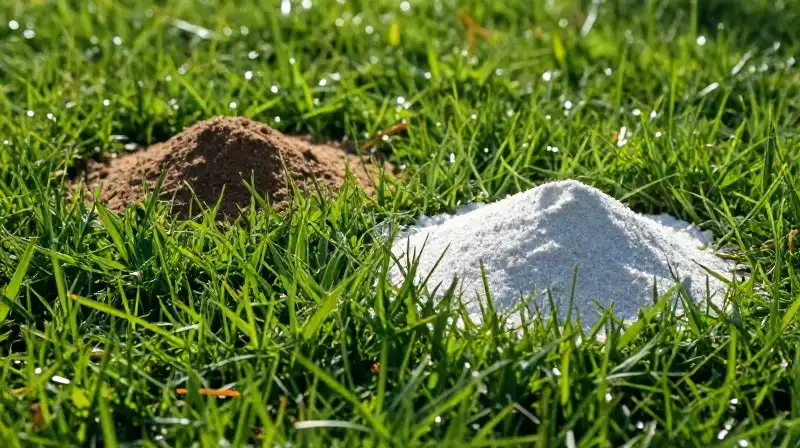 A common confusion is distinguishing a dedicated “winterizer” blend from a routine autumn fertilizer application. While they share the goal of supporting root systems before dormancy, their formulations and primary purposes often differ. A standard fall fertilizer typically aims to strengthen the overall turf and improve its feeding efficiency leading into the colder months, often utilizing a balanced ratio of N-P-K. It acts as a general nutrient replenishment. In contrast, a specialized lawn winterizer focuses heavily on nitrogen. This is intended to promote the specific root development needed for cool-season grasses (like Tall Fescue) to survive the winter and thrive early in the spring. However, this specific focus on high nitrogen is precisely what creates risks for warm-season varieties, making the product a double-edged sword.
Cool-Season Grasses: Is the Winterizer Worth It?
 For cool-season grasses—including Tall Fescue—using a high-nitrogen winterizer *can* be beneficial, provided the lawn’s primary focus is survival and spring regrowth. The main benefit is that the nitrogen supports active root development throughout the winter period, ensuring the plant has the metabolic energy needed for rapid, healthy recovery once warmer temperatures return. However, if the primary goal of a cool-season lawn is not robust overseeding, the added benefit of the winterizer is often marginal. If you plan to overseed, it is generally better to apply a dedicated, balanced fertilizer or compost alongside the new seed, rather than solely relying on a high-nitrogen winterizer.
Warm-Season Lawns: The Danger of High-Nitrogen Applications
 The “best lawn winterizer” advice often ignores the unique needs of Bermuda, Zoysia, and other warm-season grasses. For these lawns, applying a winterizer rich in nitrogen is frequently counterproductive. These grasses are already built to manage the stresses of warm weather. Providing a significant nitrogen boost late in the season forces rapid, tender growth. When this lush, soft tissue is hit by the first hard frost, it results in widespread and significant burn damage. Instead of using nitrogen-heavy formulas, effective warm-season lawn preparation requires a different strategy:
- Apply N-Free Pre-Emergent Herbicide: The primary concern for warm-season lawns during the cool months is managing winter weeds. Using a pre-emergent herbicide that does not contain nitrogen helps prevent these weeds from germinating.
- Systemic Fungicide: In late fall, treating the lawn with a systemic fungicide is a crucial step. This protects the warm-season turf from fungal diseases that thrive as the grass enters its slower, dormant phase.
- Full Natural Dormancy: To ensure the lawn is properly prepared, continue to mow the grass until it reaches its natural, fully dormant stage. This allows the turf to harden off for the cold.
Controlling Winter Weeds: The Pre-Emergent Window
One of the most common practices in lawn care is “weed and feed.” When dealing with winter weeds, the application of a pre-emergent herbicide must align with specific soil temperature thresholds. A pre-emergent herbicide works by disrupting the germination process of weed seeds in the soil. This action is highly sensitive to temperature; the herbicide is only effective when the soil is suitable for weed seed germination, which generally occurs in the cooler months. The ideal application window to maximize weed control efficiency is typically between mid-September and mid-October, depending on regional climate patterns.
Answering Key Lawn Winterizer Questions
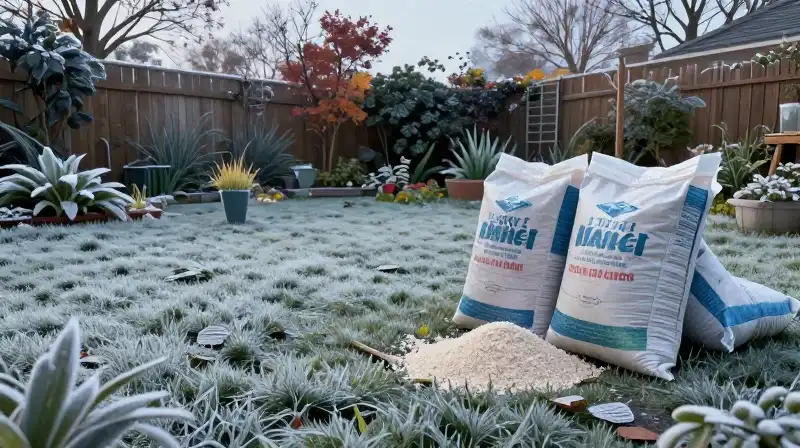
Is Winterizer Fertilizer Worth It?
The value of winterizer is highly contextual. If your lawn is already in good health, the value is limited. However, it can be worth the investment if:
- You have a cool-season grass and are looking for a final push of root development before winter.
- You are not planning on overseeding, thus mitigating the need for additional nutrients.
If you have a warm-season grass, the fertilizer is usually less useful than targeted treatments like fungicides and pre-emergent weed control.
What is the Difference Between Fall Fertilizer and Winterizer?
The main difference lies in the intended biological effect of the nitrogen content.
- Fall Fertilizer: Broad, general nutrient boost.
- Winterizer: Targeted, high-nitrogen formula designed specifically to promote root survival during deep dormancy in cool-season grasses.
Summary: Practical Preparation Checklist
Successful winter lawn preparation is not about “one-size-fits-all” applications; it is about strategic intervention based on grass type. For Cool-Season Grasses:
- Apply a balanced fertilizer or specialized winterizer.
- Consider overseeding if desired.
- Apply lime if soil pH correction is needed.
For Warm-Season Grasses:
- Avoid high-nitrogen fertilizers to prevent frost burn.
- Apply an N-free pre-emergent herbicide to manage winter weeds.
- Treat with systemic fungicide in late fall to protect against disease.
- Maintain mowing until the grass enters full dormancy.
Frequently Asked Questions
Is winterizer fertilizer worth it?
The value of winterizer fertilizer is highly contextual, as it may be worth it for cool-season grasses or lawns not planning on overseeding. However, for warm-season grasses, the fertilizer is usually less useful than targeted treatments like fungicides and pre-emergent weed control.
What is the difference between fall fertilizer and winterizer?
A standard fall fertilizer aims to strengthen the overall turf and provide a general nutrient boost using a balanced N-P-K ratio. Conversely, a specialized winterizer is a targeted, high-nitrogen formula designed specifically to promote root survival for cool-season grasses during deep dormancy.
Winterizing Warm-Season Lawns
Avoid High-Nitrogen Fertilizers
Avoid high-nitrogen fertilizers to prevent the grass from growing rapidly and becoming susceptible to significant burn damage from a hard frost.
Apply N-Free Pre-Emergent Herbicide
Apply an N-free pre-emergent herbicide to manage and prevent the germination of winter weeds in the soil.
Apply Systemic Fungicide
Treat the lawn with a systemic fungicide in late fall to protect the warm-season turf from fungal diseases as it enters its slower, dormant phase.
Maintain Natural Dormancy
Continue mowing the grass until it reaches its natural, fully dormant stage to ensure the turf hardens off properly for the cold season.
Related Articles