How to Care for Silver Glory String of Hearts Succulents

Introduction
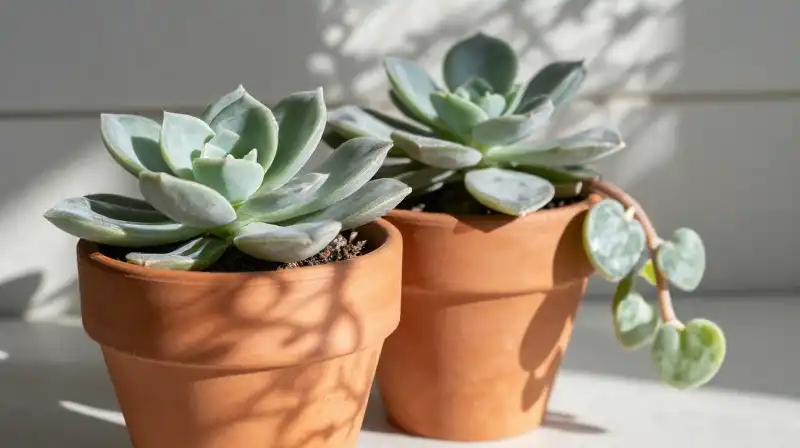
The Silver Glory String of Hearts (*Ceropegia woodii*) is prized for its delicate, silvery foliage and elegant trailing habit. As a trailing succulent, its primary requirement is a controlled environment that mimics its natural, drought-resistant habitat. Successfully cultivating this cultivar depends less on high maintenance and more on avoiding common pitfalls, specifically overwatering and direct, intense sun. With the right approach, the Silver Glory provides a beautiful, architectural element to any indoor space.
Optimal Placement: Light and Temperature
 Understanding where to place your Silver Glory is essential for maintaining its distinctive silvery hue and promoting strong growth.
Light Requirements
The Silver Glory demands bright light, but direct, intense afternoon sun is a severe risk. Direct sunlight can scorch the leaves, causing brown, crispy spots that detract from the plant’s attractive pale coloring.
- Ideal Light: Bright, indirect light. Position the plant near a well-lit window (such as an East or South-facing window) but out of the direct path of the sun’s rays.
- Caution: Insufficient light will result in etiolation—long, weak stems stretching desperately for light—while direct intense light will cause leaf burn.
Temperature and Environment
String of Hearts thrives in typical indoor warmth. Maintaining stable temperatures is key to consistent growth.
- Temperature Range: Aim for moderate warmth, ideally between 60°F and 85°F.
- Humidity: While succulents are generally tolerant, moderate household humidity is appreciated and can help prevent stress, especially during drier winter months.
The Foundation of Success: Soil and Watering
 The most frequent cause of failure for succulent owners is improper watering. The Silver Glory is highly drought-tolerant, and its care routine must reflect this requirement.
Selecting the Right Medium
Because Silver Glory is susceptible to root rot in dense soil, drainage is the single most critical factor. Never plant it in standard potting mix.
A high-drainage, porous medium is required. Use a specialized cactus or succulent mix, or create a custom blend by mixing standard potting soil with inorganic amendments like perlite, pumice, or coarse sand (at a ratio that ensures excellent airflow and quick drying).
Implementing the Watering Schedule
The rule for watering a succulent must always be: underwater, rather than overwater.
- Check the Soil: Wait until the entire soil medium is completely dry, from the top down to the roots. This process usually takes two to three weeks, depending on your home’s environment.
- The Soak: When watering, perform a thorough “deep soak,” allowing the water to drain completely out of the pot. This ensures the roots at the bottom receive sufficient moisture.
- Drought Tolerance: Do not water on a fixed schedule (e.g., every Monday). Always rely on the visual confirmation that the soil is parched.
Maintenance and Growth Management
 As your Silver Glory matures, specific maintenance tasks will keep it looking vibrant and healthy.
Pruning and Shaping
If the vine begins to look too sparse or overly long, pruning the stems can encourage the plant to grow more vigorously and bushier.
- Purpose: Cutting back stems helps redirect the plant’s energy into developing side growth and a fuller appearance.
- Propagation: String of Hearts is beginner-friendly for propagation. When you trim a stem, allow the cut ends to fully callouse (dry out) for several days before attempting to place them in soil to ensure they take root successfully.
Repotting Needs
While often perceived as needing frequent attention, Silver Glory doesn’t require constant repotting.
Generally, repotting should occur every one to two years, or when you observe that the roots are visibly circling the bottom of the container and are becoming overcrowded, which would restrict nutrient and water uptake.
Differentiating Silver Glory from Other String of Hearts
 The term “String of Hearts” applies to several *Ceropegia woodii* variations. It is important to understand what distinguishes the ‘Silver Glory’ cultivar from its peers.
| Feature | Silver Glory | General Ceropegia woodii | Other Variations (e.g., Variegated) |
|---|---|---|---|
| Leaf Shape | Distinct lily pad-like shape, often lacking pointed bottoms. | Classic, defined heart shape. | Varies (e.g., arrow-like, spade shape). |
| Coloration | Pale, silvery-hued leaves with deep green edges. | Vibrant green or mottled green. | Features patterns of white, pink, or yellow. |
| Growth Habit | Relatively compact. | Can be long and sprawling. | Consistent with general trailing habit. |
A Practical Guide to Prevention and Care Summary
 A successful care regimen for the Silver Glory relies on preventing stress caused by environmental imbalance.
The primary factor to monitor is moisture. If your plant is drooping, check the soil moisture levels first, rather than assuming it needs water. If the soil is dry, water deeply. If the soil is still damp, wait longer.
Furthermore, while most String of Hearts are considered non-toxic and safe for common household environments, always exercise caution. If your plant is showing signs of distress—such as yellowing leaves or stunted growth—examine the roots first. Overwatering, leading to root rot, is the leading cause of these symptoms.
By maintaining bright, indirect light, ensuring fast-draining soil, and adhering to the “soak and dry” watering philosophy, your Silver Glory String of Hearts will maintain its elegant form and distinctive silvery appeal for years.
Explore more: Celtic Symbols for Brotherhood: Meanings and Interpretations
Frequently Asked Questions
How do you care for String of Hearts silver glory?
Silver Glory requires bright, indirect light and high-drainage soil to prevent root rot. Care involves using a soak and dry philosophy, allowing the entire soil to be completely dry before performing a thorough deep soak.
Caring for a Silver Glory String of Hearts
Position the Plant
Place the Silver Glory near a well-lit window (such as an East or South-facing window) but ensure it is out of the direct path of intense afternoon sun to avoid scorching.
Prepare the Soil
Never use standard potting mix; instead, use a high-drainage, porous medium like a specialized cactus or succulent mix, or create a custom blend using potting soil and inorganic amendments such as perlite, pumice, or coarse sand.
Water (The Soak)
Wait until the entire soil medium is completely dry, which usually takes two to three weeks, then perform a thorough 'deep soak,' allowing the water to drain completely out of the pot.
Monitor Growth and Repot
Repot the plant every one to two years, or when you observe that the roots are visibly circling the bottom of the container and are becoming overcrowded.
Prune and Propagate
To encourage bushier growth, prune the stems. If you trim a stem, allow the cut ends to fully callouse (dry out) for several days before planting them to ensure successful root growth.
Related Articles