Cheapest Fence Options: A Guide to Affordable Fencing Materials

Introduction
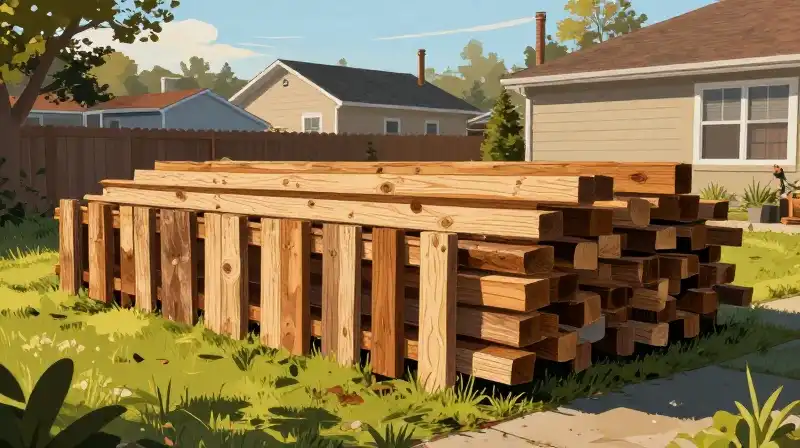
Finding the most affordable fencing solution requires looking beyond the initial purchase price. While materials like chicken wire or pallet fencing offer the lowest entry cost, “cheapest” must also be weighed against the longevity, required maintenance, and your personal goals, whether securing livestock or adding backyard aesthetics. The decision depends entirely on what you prioritize—maximum privacy, durability, low upfront labor, or simply the lowest budget. To navigate these options, it’s essential to understand the trade-offs between functional materials and lifestyle demands.
Budget Options Ranked by Initial Cost and Utility
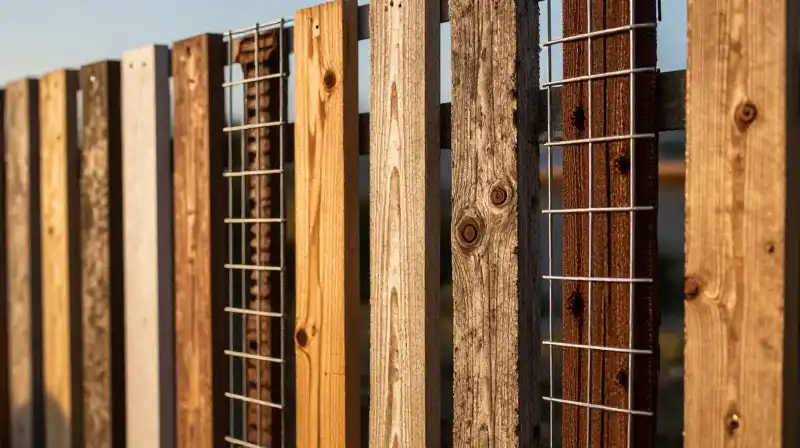 When searching for the cheapest fence options, the choices typically fall into utilitarian or repurposed categories. These options prioritize boundary definition and security over architectural appeal.
Utilitarian and Basic Materials
These are the most inexpensive ways to mark a boundary or contain livestock, making them excellent for large properties or farming needs.
- Barbed Wire and Hog Wire: Often the absolute cheapest solution, these materials are highly effective for livestock control and long-distance boundary marking. They are purely utilitarian, offering no aesthetic appeal or privacy.
- Chicken Wire and Basic Mesh: Ideal for small enclosures, animal containment, or garden boundaries. These materials are lightweight, easy to install (DIY friendly), and provide necessary security with minimal cost.
- Electric Fencing: Primarily used for animal control, electric fences provide a specialized, low-maintenance, and highly effective barrier. They require low initial material cost and offer a superior, practical boundary solution for certain uses, though they lack typical residential design.
Low-Cost Wood and DIY Solutions
If you need something that appears more residential or natural but still remains affordable, wood and repurposed materials offer a middle ground between low cost and visual appeal.
| Fence Type | Aesthetic Appeal | Upfront Cost | Long-Term Value |
|---|---|---|---|
| Pallet Fences | High (Rustic/Creative) | Very Low (Often salvaged) | Low (Degrades quickly; needs frequent upkeep) |
| Pressure-Treated Pine / Split Rail | Moderate (Natural/Rustic) | Low to Moderate | Moderate (Requires regular treatment/sealing) |
| Picket Fences | High (Curbs Appeal) | Moderate | Moderate (Requires regular painting or sealing) |
Deciding Between Low-Maintenance and Low-Cost
A common confusion is assuming that the lowest price equates to the best value. Often, the cheapest option requires the most labor over time, which can quickly negate initial savings.
The decision between a cheap wood fence or a more expensive, durable material like vinyl involves balancing initial investment against lifetime maintenance. For example, pressure-treated pine may be inexpensive, but without consistent sealing, it will degrade quickly.
When to Choose Low Upfront Cost (The Utilitarian Path)
Select options like chain-link or basic mesh when:
- You have limited budget for installation labor.
- The primary goal is security or livestock containment, not privacy or aesthetic charm.
- You are planning a temporary fence or fence in a low-visibility area.
When to Choose Long-Term Value (The Strategic Path)
Consider higher-cost materials like high-quality cedar or vinyl if:
- You want to minimize maintenance over the next 10–20 years.
- You prioritize consistent curb appeal and longevity.
- The fencing will be exposed to harsh elements or high traffic.
Practical Ways to Reduce Fencing Costs
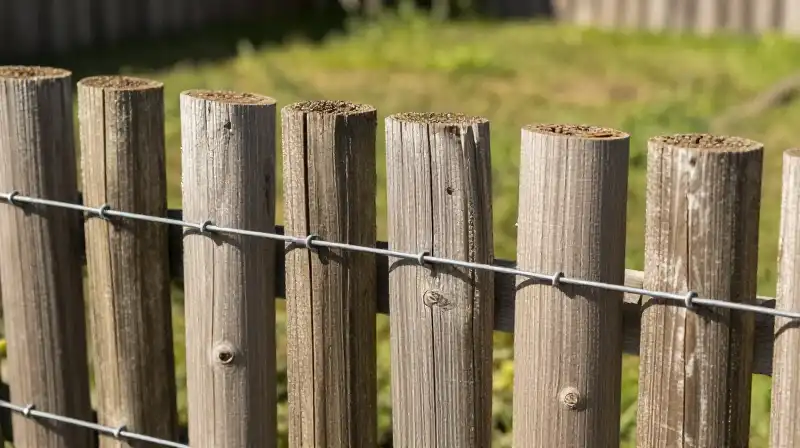 Minimizing the expense of a new boundary requires strategies that address both material acquisition and labor.
- Embrace DIY Labor: Labor often constitutes a significant portion of the total cost. If you have the time and the right tools, tackling installation yourself can lead to massive savings.
- Salvaged Materials: Creative fencing options, such as pallet fences, utilize reclaimed or salvaged materials, driving material costs toward zero.
- Phased Installation: Instead of building the entire fence at once, installing one section at a time allows you to manage cash flow while you save for the remainder.
- Compare Material Grades: If using wood, selecting a lower-grade, yet functional, wood can significantly reduce costs while maintaining basic integrity, though it demands more frequent upkeep.
Evaluating Fencing for Specific Needs
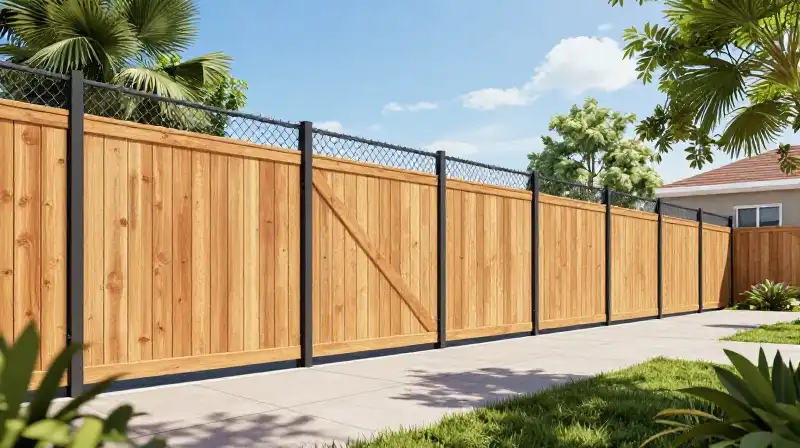 The best cheapest privacy fence option is highly dependent on the purpose of the fence.
If your goal is high privacy, the most affordable path might be a well-maintained, closely-spaced split rail fence or a living barrier, such as a robust, trimmed hedge or bamboo. These offer a natural aesthetic and excellent visual blockage.
When protecting a large property, highly utilitarian choices—such as woven wire or heavy-duty hog wire—are the most cost-effective options available, providing security over beauty. For pets, specialized, low-cost mesh designed for small animals will offer the safest, most secure boundary without the expense of a custom-built fence.
Synthesis: Making the Final Decision
The most affordable fencing solution is not a single material but a calculated choice based on the trade-off between “cost now” and “cost later.”
Always calculate the total cost of ownership (Upfront Material + Labor + Estimated Maintenance over 5 years). If the low initial cost of a wood or pallet fence requires annual sealing, painting, or repair, those long-term costs may quickly exceed the price of a durable, low-maintenance alternative like vinyl or composite fencing. Define your fence purpose—is it security, decoration, or boundary marking—and then select the material that meets those needs while minimizing your combined initial outlay and future maintenance commitment.
Practical Ways to Reduce Fencing Costs
Embrace DIY Labor
Labor often constitutes a significant portion of the total cost. If you have the time and the right tools, tackling installation yourself can lead to massive savings.
Salvaged Materials
Creative fencing options, such as pallet fences, utilize reclaimed or salvaged materials, driving material costs toward zero.
Phased Installation
Instead of building the entire fence at once, installing one section at a time allows you to manage cash flow while you save for the remainder.
Compare Material Grades
If using wood, selecting a lower-grade, yet functional, wood can significantly reduce costs while maintaining basic integrity, though it demands more frequent upkeep.
Related Articles