Hosui Asian Pear: Size, Care, and Pollination Requirements

Introduction
The Hosui Asian Pear is a versatile deciduous tree, valued equally for its ornamental beauty and the sweet, crisp fruit it produces in late summer. While smaller in stature than some traditional varieties, it offers substantial visual impact with its glossy foliage and spring blossoms. Understanding the specific requirements of this cultivar—particularly its size limitations, sun needs, and unique pollination demands—is essential for successful gardening. The Hosui Asian Pear is an ideal choice for many landscapes, including urban environments and under power lines, but requires attentive care regarding its necessary cross-pollination to produce a harvest.
Hosui Asian Pear Size and Growth Habit
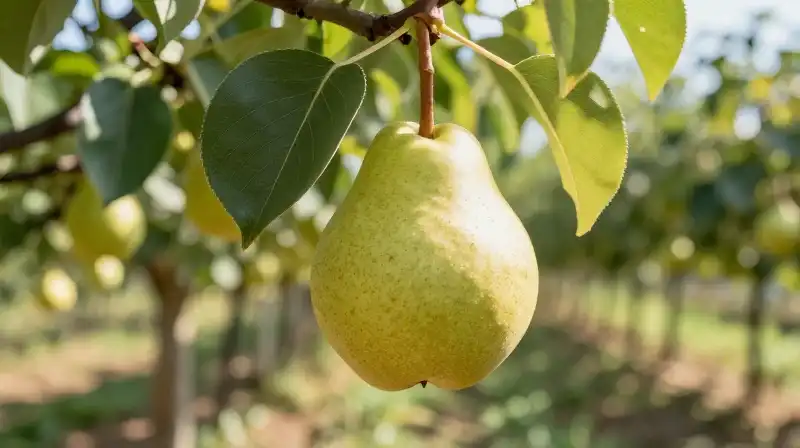
When assessing the Hosui Asian Pear, it is helpful to distinguish between its actual maturity and its potential growth habit. It typically develops into a well-proportioned tree, growing to approximately 15 feet tall with a spread of about 12 feet. Its structure is upright yet spreading, providing a low canopy that offers roughly three feet of clearance above the ground. This low profile makes it an excellent option for constrained spaces or where power lines are a concern, a niche where other larger fruit trees may not be suitable.
The tree is characterized by a rapid growth rate, and under optimal care, it has the potential to live for five decades or more. While the tree itself can be managed, potential fruit drop should be considered; the fruit is quite large and can be messy if it falls directly onto the ground. For those seeking a more contained version, specialized dwarfing techniques are required, though the specific cultivars are typically grown for their overall aesthetic and moderate fruit production.
Cultivation Requirements for Urban and Landscape Use
The Hosui Asian Pear thrives in conditions that provide ample resources but demands specific requirements to thrive, particularly regarding sunlight and hydration. The tree requires full sunlight to flourish, benefiting both its vigorous growth and the quality of its fruit.
Light and Soil Preferences
Position the tree in an area receiving maximum sun exposure. While it is suitable for general landscaping, the best results for health and fruit set are found in direct sun. For soil, average to evenly moist conditions are preferred. The Hosui Asian Pear demonstrates high tolerance for urban pollution and city environments, allowing it to perform well even in less than ideal city soil.
Maintenance and Pest Resilience
While the tree is hardy, it requires specialized horticultural management to maintain its health. Pruning is necessary, particularly in late winter, to maintain its desirable shape and encourage healthy branch development. The tree can adapt well to standard city conditions, but it is critically sensitive to standing water; ensure its root zone drains properly to prevent root rot.
Pollination: The Critical Factor for Fruiting
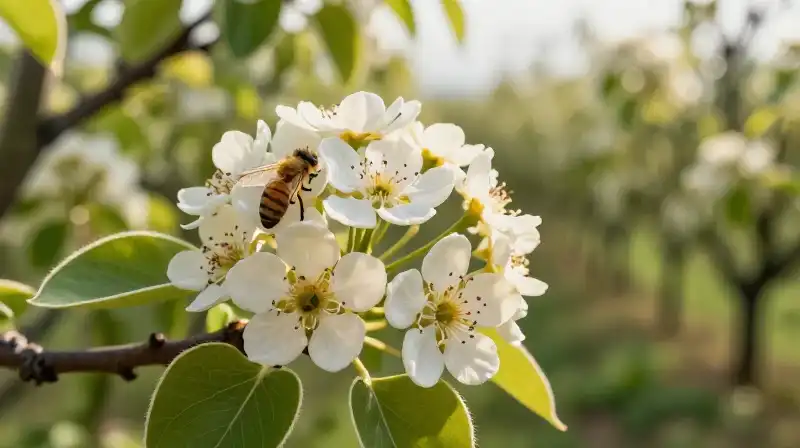
This is the most important distinction for any gardener seeking to grow fruit from the Hosui Asian Pear. Contrary to the assumption that many Asian Pear varieties are self-pollinating, the Hosui variety requires cross-pollination. Simply planting one tree is insufficient to guarantee a harvest.
To successfully set fruit, the Hosui Asian Pear needs a separate and different selection of the same species. These trees must be placed close enough for the flowers to effectively transfer pollen. This requirement makes the tree primarily ornamental unless companion plantings are utilized, ensuring the gardener is prepared for this key horticultural limitation.
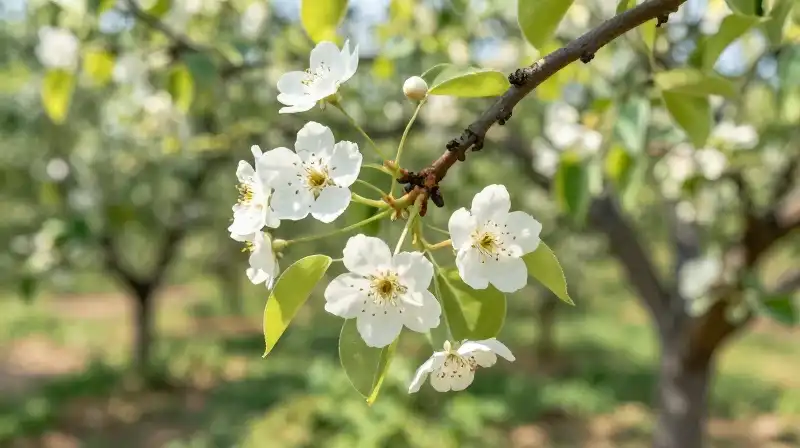
The tree’s reproductive cycle is signaled by the appearance of clusters of white flowers in early spring, followed by the maturation of the large, round pears in late summer. When pollination is successful, the fruit develops its characteristic orange overtones and white flesh, offering a sweet, crisp texture.
Ornamental Value and Autumn Transformation
Beyond its role in the kitchen, the Hosui Asian Pear is a significant landscape feature due to its aesthetic qualities. The visual journey of the tree begins in early spring with delicate clusters of white flowers. Throughout the growing season, its foliage remains glossy and vibrant. As autumn approaches, the leaves shift into striking shades of bronze and red, providing a vibrant contrast in the late-season landscape. This transition allows the tree to serve multiple functions—as a backdrop for a garden, an accent near the entrance, or a strategic plant for under power lines.
Summary of Key Considerations for Planting
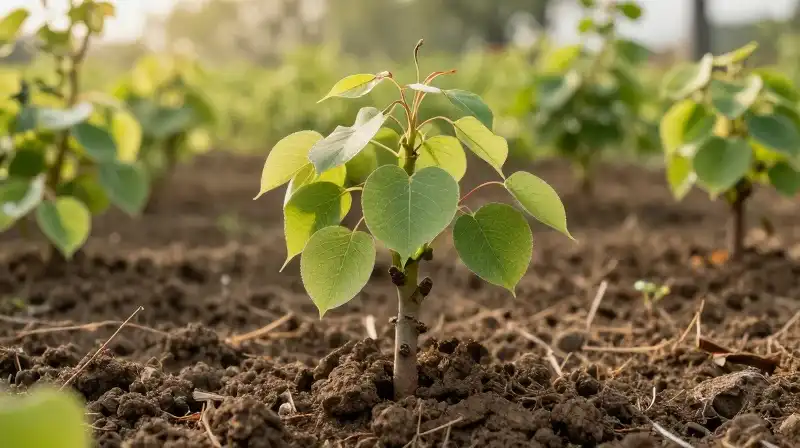
Choosing the Hosui Asian Pear involves balancing its practical uses with its specific needs. Before committing to a purchase, consider the following practical checkpoints:
- Growth Space: Allow adequate space for the 12-foot spread, ensuring sufficient canopy height for under-canopy activities.
- Pollination Strategy: If fruit is the goal, planting at least one, preferably two, compatible Hosui trees is mandatory.
- Sun Exposure: Ensure the planting site receives full, unblocked sunlight.
- Urban Suitability: While highly tolerant of pollution, ensure proper drainage is maintained to prevent disease.
- Maintenance: Be prepared for late winter pruning to maintain its structural integrity.
By addressing the need for companion plants and managing its light requirements, the Hosui Asian Pear offers a durable, elegant, and productive addition to the modern landscape.
Frequently Asked Questions
Is Hosui self-pollinating?
The Hosui Asian Pear is not self-pollinating; rather, it requires cross-pollination to successfully set fruit. To ensure a harvest, gardeners must plant a separate and different selection of the same species close enough for pollen to transfer.
How big does Hosui Asian pear tree get?
The Hosui Asian Pear typically develops into a well-proportioned tree, growing to approximately 15 feet tall with a spread of about 12 feet.
How to Successfully Grow the Hosui Asian Pear
Determine Planting Location and Sunlight
Position the tree in an area receiving maximum, full sunlight to ensure vigorous growth and optimal fruit quality.
Ensure Proper Soil and Drainage
Select an area with soil that drains properly to prevent standing water and root rot, even if the tree is tolerant of city conditions.
Implement a Pollination Strategy
Since the Hosui variety requires cross-pollination, plant at least one, preferably two, compatible trees of the same species close enough for pollen transfer.
Allocate Adequate Space
Allow sufficient space for the tree's 12-foot spread and ensure the canopy height allows for necessary under-canopy activities.
Conduct Maintenance Pruning
Perform specialized horticultural management and pruning in late winter to maintain the desirable structural shape and encourage healthy branch development.
Related Articles