Growing Clemson Spineless Okra: From Planting to Harvest

Introduction
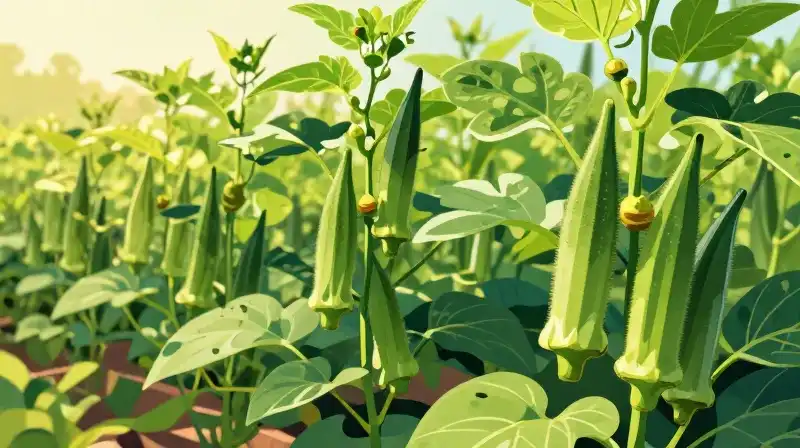
Clemson Spineless Okra (*Abelmoschus esculentus*) is a highly valued cultivar prized by gardeners for its production of plentiful, dark-green pods that do not require peeling or stem removal. Its primary appeal lies in its spineless nature, eliminating the common skin irritation associated with traditional prickly okra pods. This heat-loving variety thrives in warm environments, offering robust growth—typically producing strong plants reaching 3 to 5 feet. Success with this crop depends heavily on understanding its specific requirements, particularly regarding temperature and proper cultivation to ensure a high yield and easy harvest.
Getting Started: Clemson Spineless Okra Planting Basics
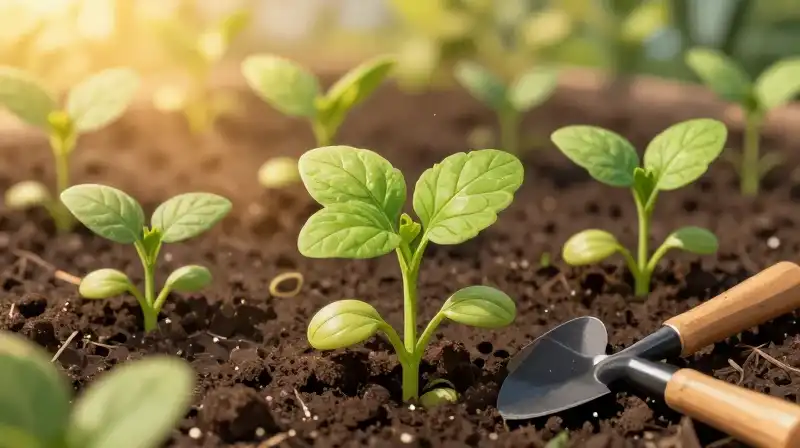
Optimal timing and preparation are critical for the reliable germination of Clemson Spineless Okra. Since this is a heat-loving plant, it must be planted only when the risk of frost has passed and the soil temperature consistently exceeds 65°F. Planning for a proper start ensures the plant establishes itself correctly for maximum production.
Seed Preparation and Sowing
For faster germination, pre-soaking the seeds overnight is recommended before planting. Once the soil is appropriately warm, you should sow the seeds at a depth of approximately 3/4 of an inch. Consistent moisture and temperatures between 80–90°F are essential during this initial phase.
Spacing and Density Requirements
To allow for proper air circulation and robust development, strategic spacing is crucial. Planting too closely can lead to stunted growth and increased susceptibility to disease. Recommended spacing guidelines include:
- Spacing within rows: 12 to 18 inches apart.
- Spacing between rows: 3 to 5 feet apart.
While some sources suggest a density of 18–24 inches between plants, adhering to the wider 18–18 inch minimum ensures that the Clemson Spineless okra can fully develop its pods and maximize its potential yield per plant.
Care and Maintenance for Maximum Yield
Once seedlings emerge, the focus shifts to consistent care. Maintaining optimal soil health and moisture is vital for a continuous harvest.
Soil, Moisture, and Mulching
Clemson Spineless Okra requires fertile, well-drained soil. As the plants grow, implementing a layer of mulch once they reach about 6 inches in height significantly aids in two critical areas: retaining soil moisture and suppressing weed growth. This practice minimizes watering needs and allows the plants to dedicate more energy to pod production.
Harvest Strategy for Continuous Production
Okra should be treated as a continuous production crop. To encourage ongoing growth and numerous pods, harvest pods daily while they are small and tender, typically at the “finger-sized” stage. Harvesting early ensures the plant remains focused on producing large quantities of small, tender pods rather than allowing them to over-mature and become woody.
Harvesting and Storage Practices
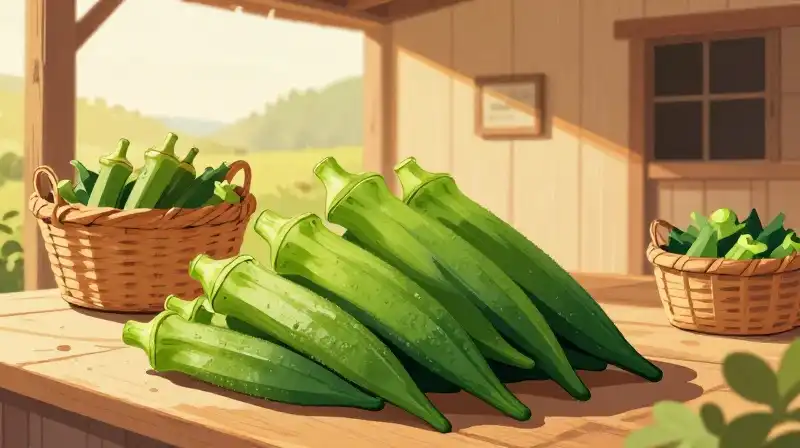
The typical maturation period for this variety ranges from 50 to 65 days. Harvest generally commences between 50 and 60 days after sowing. The ideal size for culinary use is when the pods are tender and measure approximately 3 inches in length.
Because fresh okra pods have a short shelf life, proper storage is necessary to maintain quality. To prevent spoilage, store harvested pods in a cool environment, specifically maintaining temperatures between 45–50°F. This cool storage will extend the usable life of the pods for approximately 7 to 10 days.
Clemson vs. Emerald Okra: Which Variety Is Right?
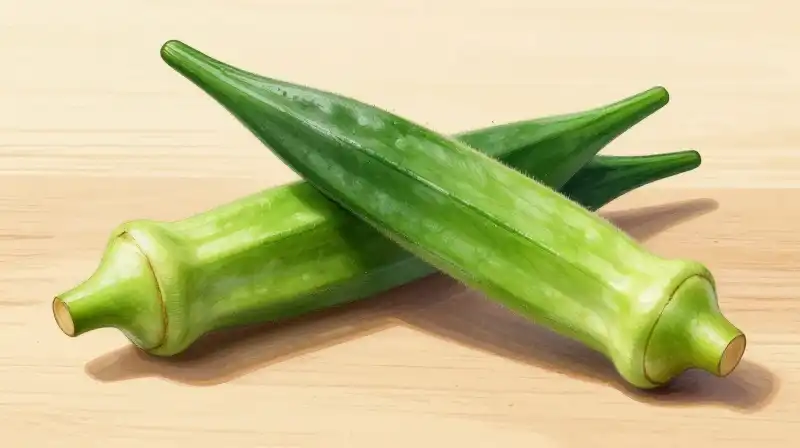
Both Clemson Spineless and Emerald varieties are popular options, but they serve different needs and offer distinct advantages. The choice between them often depends on personal preference and growing goals.
| Feature | Clemson Spineless Okra | Emerald Okra |
|---|---|---|
| Key Feature | Spineless (no prickly hairs). | Standard, often prickly pods. |
| Culinary Benefit | Easy to handle and prepare; requires minimal processing. | Traditional texture and flavor. |
| Growth Profile | Vigorous, typically 3–5 feet tall. | Similar robust growth. |
| Primary Advantage | Ease of use and excellent pest tolerance (when managed correctly). | Traditional market appeal. |
If skin irritation is a concern, or if you prioritize ease of handling in the kitchen, Clemson Spineless is the superior choice. If you are seeking a specific traditional texture or market look, the Emerald variety may be more suitable.
Advanced Cultivation: Seed Saving and Disease Management
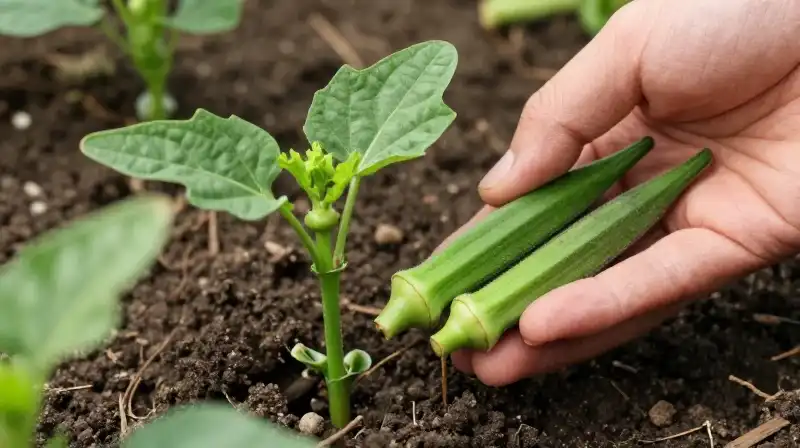
For gardeners wishing to save seeds, specific protocols must be followed to ensure genetic integrity and prevent cross-pollination. Furthermore, recognizing potential threats, such as Fusarium wilt, is essential for long-term success.
Seed Saving Instructions
Seed saving requires careful planning and isolation. To prevent cross-pollination from neighboring plants, the Clemson Spineless Okra varieties must be isolated by a minimum of 1/8th of a mile. Once the mature pods are ready for collection, they must be allowed to fully dry and become woody. Seeds are then extracted from these dry pods, often using gentle airflow or breath to remove the surrounding chaff. This methodical approach allows the gardener to secure seeds for future planting.
Addressing Fusarium Wilt
In hot, humid climates, Fusarium wilt can pose a significant threat to okra crops. This fungal disease thrives under stress, so preventative measures are paramount. The most effective method for mitigating this risk is consistent crop rotation—ensuring you do not plant okra in the same location year after year—combined with maintaining excellent soil health and ensuring good airflow around the plants.
Practical Considerations for Your Garden
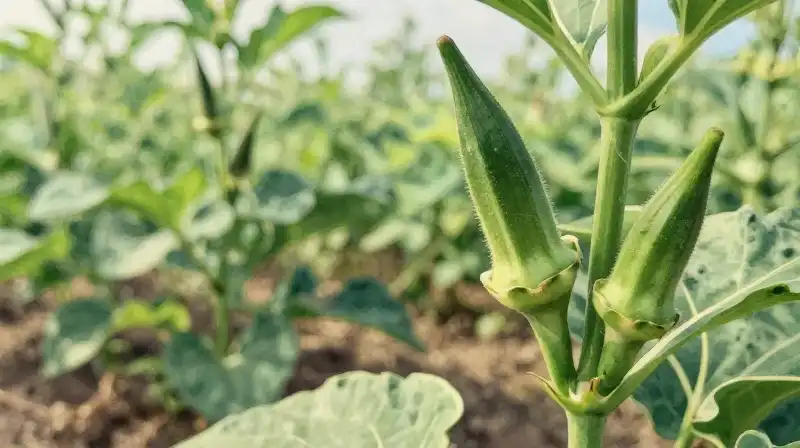
Growing Clemson Spineless Okra successfully is about meeting the plant’s specific environmental demands. The primary decision for the gardener is confirming the growing window is appropriate and ensuring adequate space is provided. If your planting space is restricted, prioritize the 18-inch spacing minimum to maintain plant vigor. Remember that continuous, daily harvesting of tender pods is the best method for encouraging continuous production and achieving the highest yield, making this variety an ideal, low-maintenance addition to the warm-weather garden.
Frequently Asked Questions
What is the difference between Clemson and Emerald okra?
Clemson Spineless Okra is characterized by its spineless nature, making it easy to handle and require minimal processing. In contrast, the Emerald variety features standard, often prickly pods, providing a traditional texture and market appeal.
How to Plant and Cultivate Clemson Spineless Okra
Check Planting Conditions
Ensure the risk of frost has passed and the soil temperature consistently exceeds 65°F.
Prepare Seeds
For faster germination, pre-soak the seeds overnight before planting.
Sow Seeds
Once the soil is appropriately warm, sow the seeds at a depth of approximately 3/4 of an inch.
Maintain Initial Environment
Maintain consistent moisture and temperatures between 80–90°F during the initial growth phase.
Implement Spacing
Maintain strategic spacing, placing plants 12 to 18 inches apart within rows and 3 to 5 feet apart between rows.
Apply Mulch and Care
When plants reach about 6 inches in height, implement a layer of mulch to retain soil moisture and suppress weeds.
Related Articles