Thuja North Pole: The Perfect Columnar Arborvitaie Profile

Introduction
Thuja occidentalis ‘North Pole’ is not a standard, spreading arborvitaie. It is a meticulously bred cultivar designed for specific architectural purposes: providing dense, year-round screening and a strong vertical accent in a managed landscape. Unlike general species that can grow to monumental heights, NORTH POLE delivers a disciplined, narrow, columnar form. Its origins trace back to an open-pollinated cross performed by Arthur Boe in 1998, securing its status as a U.S. Plant Patent Applied For (PPAF) cultivar.
If your goal is to create defined boundaries or add sleek, dark green structure to a modern garden, understanding the limitations and specific performance of this columnar growth habit is essential. NORTH POLE offers the rich, aromatic character of the Western White Cedar while maintaining the controlled profile a gardener needs for aesthetic impact.
Growth Rate and Maturation Time

The growth of Thuja North Pole is measured by its ability to maintain its narrow form over time, which requires patience. While annual growth rates can vary depending on environmental conditions, NORTH POLE is not a fast-growing tree in the traditional sense. It is built for stability and density rather than rapid expansion.
Regarding the specific query on growth time, the development of a mature NORTH POLE shrub is a gradual process. Initial growth is steady, focusing on dense foliage establishment. However, achieving its full architectural maturity—the point where it holds the robust width and height of 10-15 feet—typically requires several years of consistent care. The rate of development is steady, but not aggressive, allowing it to be integrated into planned landscape designs rather than used for quick, temporary screening.
Key Physical Characteristics and Forms
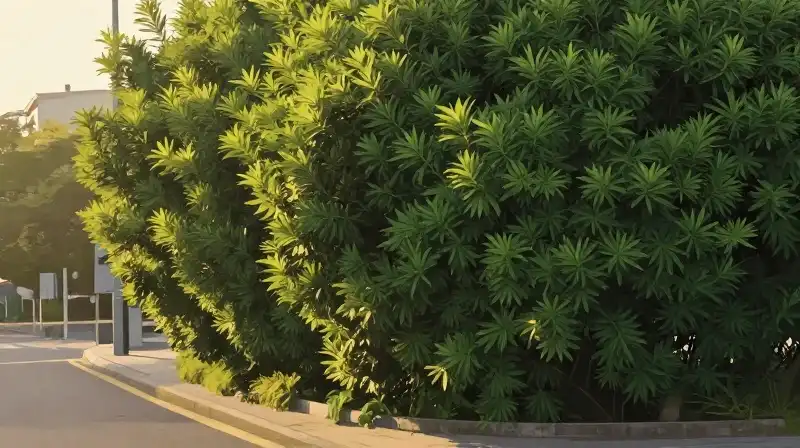
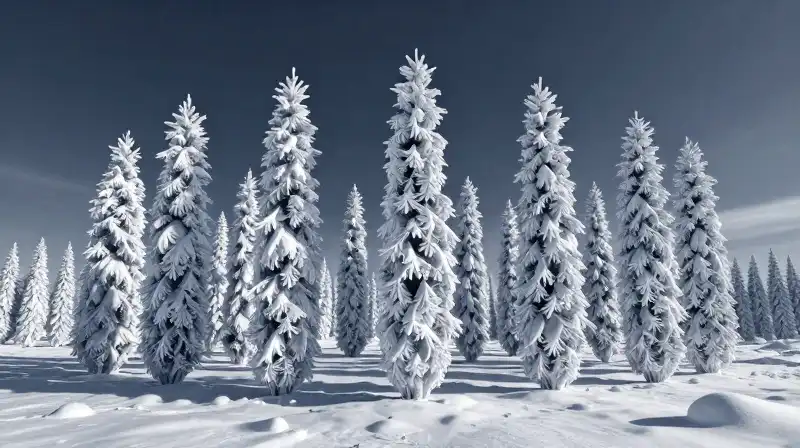
The physical attributes of NORTH POLE distinguish it from its broader relatives. It is characterized by its extremely narrow, columnar habit, which is its most valuable landscaping trait.
Key attributes include:
- Height and Width: In its mature cultivated form, it reaches a height of 10-15 feet, with a much narrower width of 5-7 feet. This controlled proportion is what makes it ideal for tight spaces or formal hedging.
- Foliage: The foliage is described as scale-like and dense, presenting a dark green coloration. This dense coverage contributes significantly to its effectiveness as a privacy screen.
- Bark: Mature trunks and branches display red-brown bark, which has the tendency to exfoliate as the plant ages, adding a textural element to the vertical form.
- Fragrance: Consistent with its genus, the species is highly aromatic, a characteristic inherited from the historical use of Thuja foliage in various cultures.
Landscaping Performance and Spacing
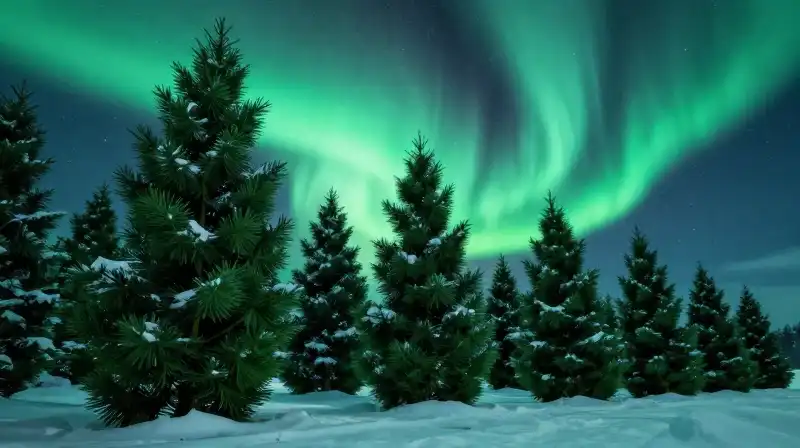
Successfully integrating Thuja North Pole into your garden requires specific planning to ensure it doesn’t become overgrown and lose its signature columnar profile.
North Pole Arborvitaee Spacing: Due to its self-contained, columnar growth, optimal spacing depends on the desired density of the screen or hedge. Generally, for continuous, solid screening, planting NORTH POLE specimens with 4 to 6 feet between them allows them sufficient room to thicken and fuse their foliage over time. Closer spacing than this can lead to crowding, which restricts airflow and may cause interior foliage to suffer. Wider spacing will result in more distinct individual columns.
Deer Resistance: While North Pole is generally well-regarded, it is not uniformly immune to deer. Like many evergreens, it can be palatable. For maximum protection, especially around new plantings or vulnerable areas, physical barriers such as wire fencing or decorative deer fencing should be employed.
Differentiating North Pole from Alternatives
Often, homeowners compare NORTH POLE to other narrow cultivars, such as ‘Emerald Green’. While both provide strong vertical lines, there are practical differences that guide selection:
| Feature | Thuja North Pole | Emerald Green (Example Alternative) |
|---|---|---|
| Growth Habit | Narrow Columnar; High Density | Narrow Columnar; Dense |
| Foliage Tone | Dark Green | Bright, Light Green |
| Structure | Often exhibits robust, defined trunk | Tends to have a softer, shrub-like look |
| Origin/Availability | Specific US Plant Patent | Widely available horticultural standard |
The primary decision factor is color and form density. If a deep, dark green contrast is desired, NORTH POLE is superior. If a softer, brighter accent is preferred, other cultivars may be a better fit.
Care and Maintenance Considerations
As a resilient evergreen, Thuja North Pole is relatively low-maintenance, but proper care ensures the maintenance of its form. Key maintenance focuses on pruning to maintain the columnar shape, which can naturally tend to broaden if left unchecked.
Pruning for Shape: Regular shaping is beneficial to keep the columns tight. Pruning should ideally occur in the dormant season or early spring. This encourages dense new growth, which naturally tightens the foliage and prevents the tree from becoming too wide.
Light Requirements: While it handles partial shade, NORTH POLE performs best in full sun. Full exposure ensures the dark green foliage remains deep and vibrant, rather than appearing dull or brassy in lower light conditions.
Practical Warnings and Selection Synthesis

Thuja North Pole is a highly effective, structured choice for landscaping, but its success relies on understanding its specific limitations.
Critical Limits to Consider:
- Form vs. Speed: Do not expect dramatic, rapid coverage. Its narrow profile is maintained through structure, not through rapid, aggressive growth. Patience is mandatory.
- Microclimate Sensitivity: While hardy, ensure the site is not excessively windy or prone to extreme moisture retention, as these can stress the dense foliage.
- Long-Term Maintenance: If the columnar form is your primary goal, routine, strategic pruning is not optional—it is necessary to maintain the architectural integrity of the cultivar.
Choosing NORTH POLE means selecting a plant that acts as a living architectural element rather than a sprawling bush. If defined, dark, vertical privacy is your priority, this cultivar offers an elegant, persistent solution.
Frequently Asked Questions
How long does it take North Pole Arborvitae to grow?
Achieving full architectural maturity, reaching a robust height of 10-15 feet, typically requires several years of consistent care. The development of North Pole is a gradual process, focusing on stability and density rather than rapid, aggressive growth.
How to Maintain Thuja North Pole's Architectural Form
Prune for Shape
Regularly shape the plant to keep the columns tight. Pruning is essential to prevent the plant from broadening over time.
Determine Optimal Pruning Time
Ideally, pruning should occur during the dormant season or in early spring to encourage dense new growth and tighten foliage.
Ensure Proper Light Exposure
While the plant tolerates partial shade, NORTH POLE performs best in full sun to ensure the dark green foliage remains vibrant and deep.
Related Articles