How to Pick Blueberries: Ripeness, Storage, and Freezing Tips

Introduction
Choosing the perfect blueberry, whether you are hand-picking at a local farm or selecting them from the supermarket, hinges on identifying specific indicators of ripeness and quality. Blueberries reach their prime when they are uniformly deep blue and firm to the touch. Understanding these nuances is key to maximizing flavor and preventing premature decay. Critically, blueberries do not continue to ripen after being picked, making the selection process a decisive factor in their ultimate quality.
Selecting and Harvesting Blueberries from the Plant
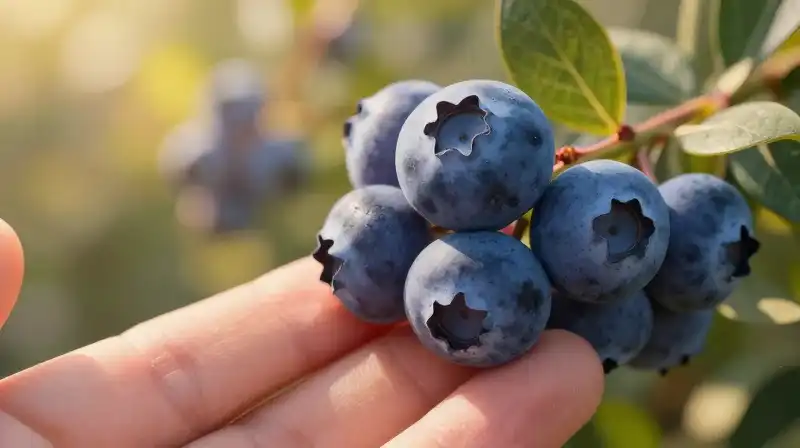
If your goal is picking blueberries, the ease and effectiveness of the method are directly related to observing the fruit’s physical condition. The easiest way to pick blueberries at home or on a farm involves careful manual selection.
When harvesting, you must strictly avoid picking berries that show signs of immaturity or damage. Focus on the following criteria:
- Color Consistency: The berry must be a uniform, solid blue across its entire surface. Avoid any berries with visible green or white spots, which indicate an unripe state.
- Texture: The fruit should feel firm. If a blueberry feels soft, it is either overripe or compromised, and should be left on the plant.
- Stem Check: Only harvest berries that have a firmly attached stem, which usually signals peak readiness.
How to Pick Sweet Blueberries at the Grocery Store
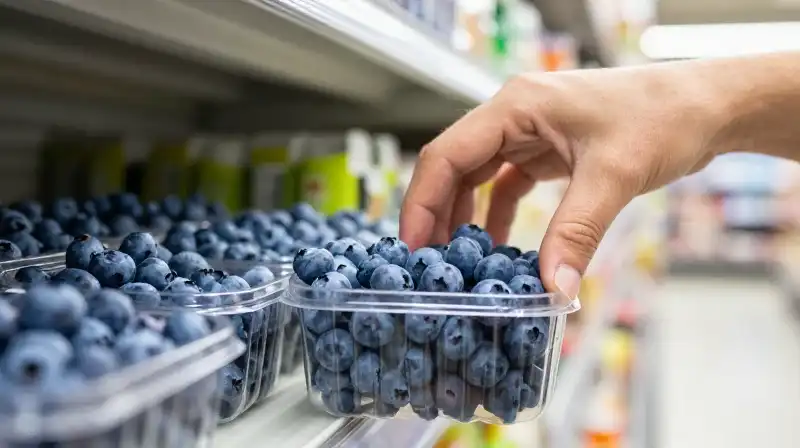
Shopping for blueberries requires a tactile approach to judging quality. Since the berries are no longer growing on the plant, their condition upon purchase is a direct reflection of handling and storage during transport.
To select the best blueberries in the store, scrutinize the entire package:
- Appearance: Choose blueberries that appear plump and vibrantly colored. They should be intact, without any bruising or cracks.
- Integrity: Check for wrinkled or sunken areas. These are signs of dehydration or damage, and should be avoided.
- Density: A full, stable container often suggests better handling, but always inspect a sample of the visible berries for firmness.
Proper Post-Harvest Storage for Fresh Blueberries
Proper handling after picking or purchase is essential to maintain the berries’ structural integrity. Even though they are firm, they are delicate, and proper drying is critical before long-term storage.
Follow these steps to optimize fresh storage:
- Initial Cleaning: Rinse the harvested blueberries in a colander and remove any remaining stems.
- Thorough Drying: This is the most important step. Dry the berries thoroughly on a sheet pan using paper towels until no moisture remains on the surface.
- Storage Conditions: Store the dried blueberries in a breathable container, such as a produce keeper, inside the refrigerator. This allows air circulation to prevent mold and maintain firmness.
Blueberries typically last 10 to 14 days in the refrigerator. After one week, inspect the fruit closely; if any appear soft or compromised, they should be discarded immediately.
Preparing Blueberries for Long-Term Freezing
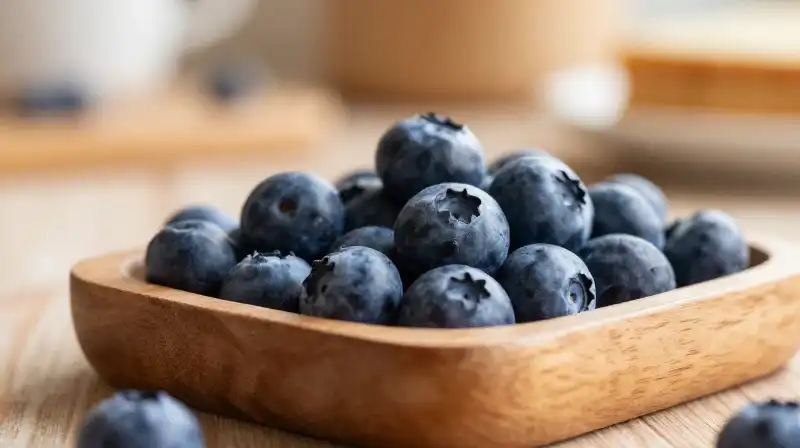
Blueberries freeze exceptionally well and maintain a high degree of flavor and quality, lasting up to one year when preserved correctly. The freezing process must protect the fruit from freezer burn and ice buildup.
To successfully prepare blueberries for the freezer:
First, ensure the berries are clean and completely dry, just as if you were storing them fresh. Next, spread the berries onto a sheet pan and place them in the freezer for 4 to 6 hours. This allows the individual berries to freeze solid. Once they are frozen, transfer them into a freezer-safe bag. This method, known as flash freezing, prevents the berries from clumping together.
As an optional preparation method for maximum freshness, some prefer washing the berries in a diluted vinegar and water solution prior to the drying process. This simple acidic wash can help remove any residue and enhance preservation.
Deciding on Blueberry Usage and Practical Limits
The decision to use, store, or freeze blueberries depends heavily on your immediate needs and how long you plan to utilize the fruit. While fresh berries offer the most delicate flavor, freezing allows you to preserve them in bulk for culinary use.
If you are planning to consume them within a few days, fresh refrigerated storage is ideal. However, if you have a large harvest or want to enjoy them during off-seasons, freezing is the most effective preservation technique. Always treat the post-harvest care—especially the drying step—as non-negotiable; excess moisture is the primary factor in spoilage.
When making decisions regarding bulk storage, always inspect frozen batches periodically. Even well-preserved fruit can be compromised if subjected to temperature fluctuations. Following the careful selection criteria outlined here will ensure the highest possible quality, regardless of whether you are picking by hand or selecting them at the store.
Frequently Asked Questions
What is the easiest way to pick blueberries?
The easiest way to pick blueberries at home or on a farm involves careful manual selection. When harvesting, focus on berries that are uniform, solid blue across their surface, firm to the touch, and have a firmly attached stem.
How to Prepare Blueberries for Long-Term Freezing
Ensure Berries are Clean and Dry
First, ensure the berries are clean and completely dry, using the same drying method as for fresh storage to prevent moisture and freezer burn.
Flash Freeze Berries
Spread the berries onto a sheet pan and place them in the freezer for 4 to 6 hours. This allows the individual berries to freeze solid.
Transfer to Freezer-Safe Bag
Once the berries are frozen, transfer them into a freezer-safe bag. This method, known as flash freezing, prevents the berries from clumping together.
Related Articles